Russia Accused of Poisoning Opposition Leader Alexei Navalny Inside Prison
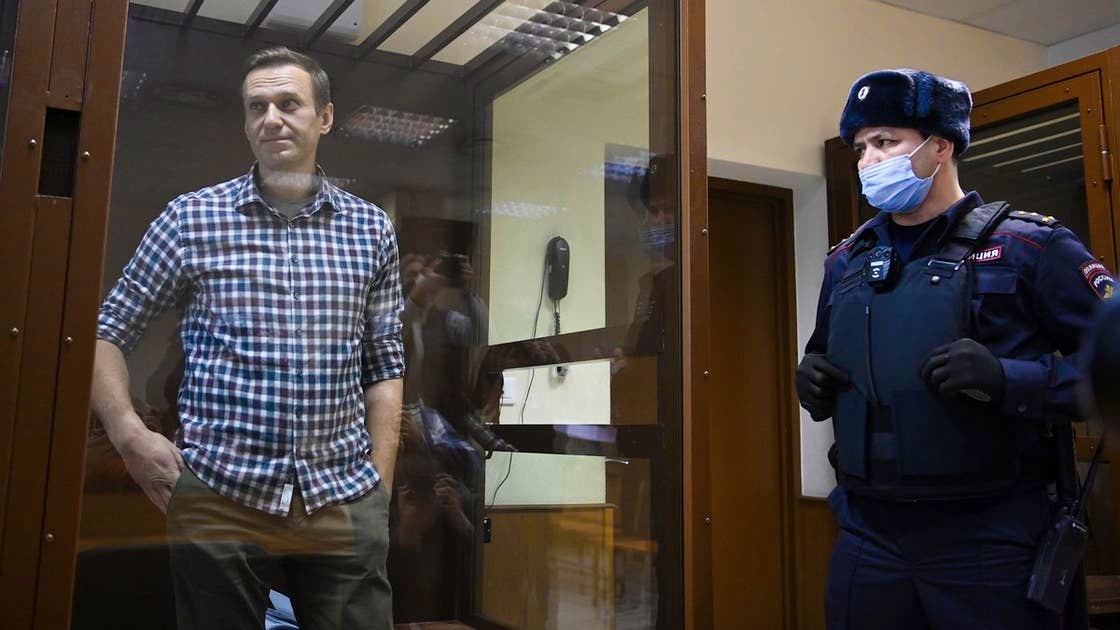
Five European countries, namely Britain, France, Germany, Sweden, and the Netherlands, accused Russia on Saturday of poisoning prominent Russian opposition leader Alexei Navalny inside his prison in 2024 using a toxic substance known as ibatadine.
The five governments stated in a joint statement issued from London that this accusation is based on a thorough analysis of samples from Navalny's remains, confirming that the results "unequivocally" demonstrate the presence of ibatadine, a toxic substance that naturally occurs in poison dart frogs in South America and is not found naturally in Russia.
The statement also added that the Organization for the Prohibition of Chemical Weapons has been informed of Russia's violation of international agreements, asserting that Navalny's death while in custody "indicates that Russia had the means, motive, and opportunity to inject him with this poison."
The statement clarified that the results show the necessity of holding Russia accountable for its "repeated violations of the Chemical Weapons Convention, particularly the Biological and Toxin Weapons Convention," noting concerns that Russia has not destroyed all of its stockpile of chemical weapons.
It is noted that Navalny died in a prison in the Arctic in February 2024 after being convicted on charges of "extremism" and other charges, all of which he denied, according to Reuters.
Since then, his team and his widow, Yulia Navalnaya, have accused Russian President Vladimir Putin of ordering his murder, while Moscow continues to deny any responsibility for his death.
