The Popular Song Ignites the Ramadan Drama Race in Egypt
February 15, 202679 ViewsRead Time: 2 minutes
Font Size:
16
The popular song has strongly entered the Ramadan drama race in Egypt this year, as promotional songs have transformed into a major attraction for television works, surpassing the role of teasers and promotional posters, becoming part of the dramatic identity of each series before its airing.
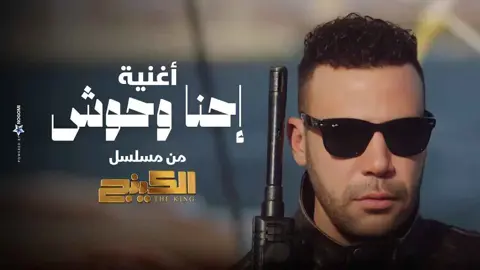
The King.. An Enthusiastic Touch with the Song "We Are Monsters"
The creators of the series chose the song "We Are Monsters" to be the promotional front for the work, performed and composed by Islam Shendi.
The song appears within a dramatic context during a wedding scene uniting the series' hero Mohamed Imam with the artist Mirna Jamil, where it is utilized to reflect the atmosphere of excitement and suspense that the work relies on.
Fakhr El Delta.. Popular Comedy with Egyptian Joy
The series presents a popular comedic template through the song "The Teacher" sung by the artist Tarek Shelisha, featuring the work's hero Ahmed Ramzy.
The song appears during a "popular wedding" scene, embodying the journey of the character "Fakhr" as he moves from the Delta villages to Cairo, in a narrative that combines a cheerful tone with a social dimension.
Al-Sit Mona Lisa.. A Dose of Melancholy Paving the Way for Events
The artist Mai Omar entered the competition with the song "Awdi Ala Allah" performed by the singer Maha Fatouni, composed by Haitham Nabil and arranged by Khaled Nabil, in an attempt to create an emotional state that raises the anticipation for the work.
Ali Clay.. Early Success and a New Acting Experience
The song "Dawri Bina Ya Dunya Dawri" gained wide popularity immediately upon its release by the popular singer Rahma Mohsen, within the events of the series starring Ahmed El Awadi.
Notably, Rahma is experiencing acting for the first time in this work, after her previous singing participations in dramatic works.
Maximum Limit.. A Duet Reflecting the Work's Conflicts
The creators of the series, starring Rogina, relied on the song "Zaman El Kash" which brings together singers Ahmed Sheba and Omar El Krowan, with lyrics by Hussein Khaled, as it reflects the nature of the dramatic conflicts addressed by the series with its fast rhythm.
The Popular Song.. A Marketing and Dramatic Bet
These works reflect an increasing trend among Egyptian drama creators towards employing the popular song as an influential marketing tool and a narrative element that enhances the atmosphere of the work, amid growing competition to attract viewers during the anticipated Ramadan season.


