Potential Breakthrough in the Nuclear File: Tehran Hints at Conditional Concessions on Sanctions Relief
February 15, 202688 ViewsRead Time: 2 minutes
Font Size:
16
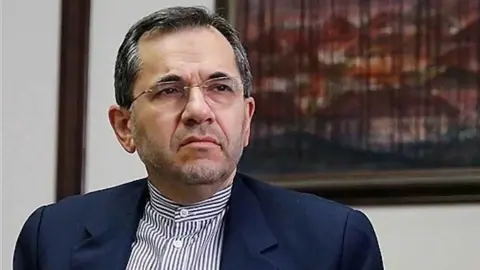
Iran's Deputy Foreign Minister for Political Affairs Majid Takht-Ravanchi announced that Iran is ready to discuss making concessions related to its nuclear program, provided that the United States shows serious willingness to discuss lifting the sanctions imposed on Tehran.
The Iranian official indicated that his country is open to reaching understandings that limit the activities of its nuclear program, but it refuses to expand the negotiations to include other files, primarily its ballistic missile program.
New Round of Negotiations in Geneva
In the context of ongoing diplomatic efforts, Takht-Ravanchi confirmed that a second round of nuclear talks will be held in Geneva next Tuesday, following the resumption of discussions between Tehran and Washington in Oman earlier this month.
He clarified in an interview with the BBC that the preliminary round of dialogue went "somewhat positively," but he considered it too early to assess the chances of success given the complexities of the issues on the negotiating table.
The Nuclear Enrichment Stalemate Continues
The Iranian official emphasized his country's insistence on rejecting the demand to reduce uranium enrichment to zero, a condition that has been a major obstacle to reaching an agreement during previous negotiation rounds.
He affirmed that enrichment activities within Iran are conducted for peaceful purposes, denying Western accusations regarding Tehran's pursuit of developing nuclear weapons.
International Anticipation for the Course of Negotiations
These statements come at a time when international circles are awaiting the results of the upcoming negotiation rounds, amid fears of a renewed stalemate in diplomatic efforts or a shift of the crisis into a broader political and economic escalation.
Observers believe that the success of the negotiations will largely depend on the ability of both parties to achieve a balance between security and economic demands, in a tense international environment with overlapping regional and international interests.

