From the Table to the Emergency Room: Why Do Doctors Warn Against Samosas and Qatayef During Ramadan?
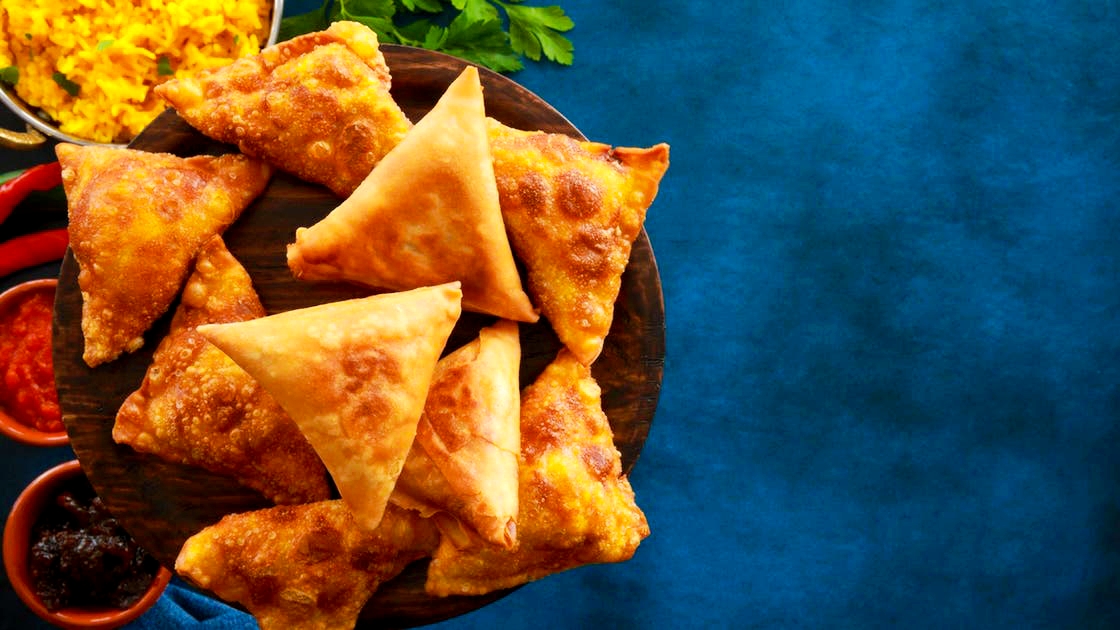
With the sound of the iftar cannon during the month of Ramadan, tables in Egypt are filled with delicious fried foods such as samosas, qatayef, chicken, and potatoes.
These crispy foods that fasting individuals love may seem like an essential part of the iftar atmosphere, but they hide behind their delicious taste health risks that can appear just hours after consumption.
Doctors and specialists warn that overeating fried foods, especially after long hours of fasting, can lead to sudden health problems that send many to emergency rooms due to severe vomiting, acid reflux, heart palpitations, and stomach pain.
Dr. Mervat El-Sayed, an emergency medicine consultant and director of the African Center for Women's Health, explains that the body after fasting is in a sensitive state, making the introduction of large amounts of saturated fats at once a form of "digestive shock."
She points out that these fats can cause a significant slowdown in stomach movement and delay food emptying, along with increased acid secretion leading to acidity and reflux.
She also adds that fried foods lead to relaxation of the lower esophageal sphincter, increasing the feeling of bothersome acidity, in addition to the significant pressure placed on vital organs such as the pancreas and liver in their attempt to process these heavy fats.
Mervat El-Sayed particularly warns against using oil multiple times for frying, confirming that exposing oil to high temperatures repeatedly produces harmful compounds such as acrylamide and oxidizing substances.
These compounds not only cause acute inflammation in the stomach but may also contribute in the long term to heart and vascular diseases.
She also notes that the common belief that fried foods provide quick energy is merely an illusion, as they provide temporary energy followed by feelings of lethargy and fatigue.
For her part, Dr. Radwa Ahmed Shaheen, an assistant professor of nutrition at Ain Shams University, confirms that the danger is not limited to fats alone, but also includes the high sugars in qatayef.
She explains that trans fats and excess sugars raise the level of harmful cholesterol in the blood and lower beneficial cholesterol, paving the way for atherosclerosis and increasing the risk of heart attacks.
She also warns that overeating qatayef may disrupt the bacterial balance in the intestines, causing gas, bloating, and poor absorption of essential nutrients.
To avoid these health problems, experts advise not to start iftar with fried foods, but rather to begin with dates or warm liquids to help the stomach prepare for food intake.
They also recommend limiting fried food consumption to once or twice a week only.
Experts emphasize the importance of using oil for frying only once and stopping its use as soon as its color changes, preferring healthy cooking methods such as baking in the oven or using an air fryer to reduce fats.
Another important tip is to walk for 30 minutes after iftar to improve digestion and energize the body.
As for patients with ulcers and heart and liver diseases, doctors advise them to completely avoid fried foods to maintain their health during the holy month.

