Oil Rises More Than 2% Amid Escalating US-Iran War
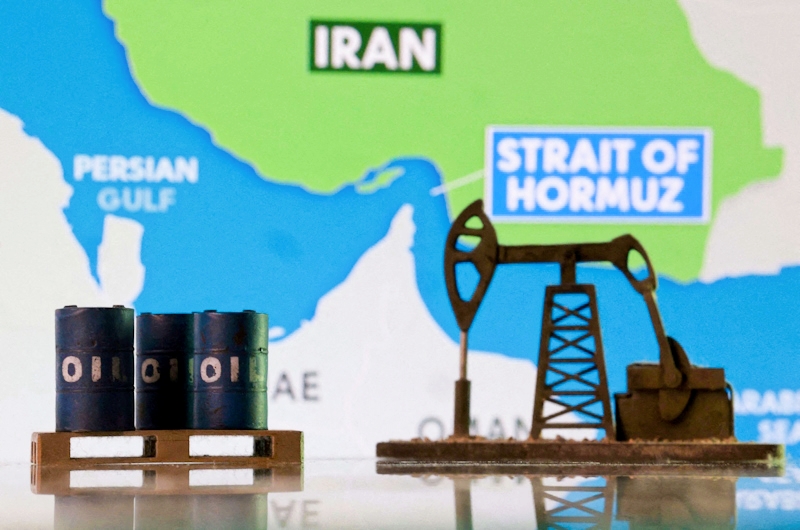
Oil prices rose more than 2% today, Thursday, amid growing fears of continued disruption of shipping through the Strait of Hormuz, the strategic passage through which about one-fifth of global energy consumption flows.
The escalating war between the United States and Iran has disrupted oil and gas flows from the Middle East, while supply remains limited due to production facilities reducing their levels.
Brent crude recorded an increase of $1.67, or 2.05%, reaching $83.07 per barrel, while West Texas Intermediate crude rose $1.94 or 2.60% to $76.60.
The scope of the war between Washington and Tehran expanded yesterday, Wednesday, after the United States targeted an Iranian warship off the coast of Sri Lanka.
Several Republicans in the US Senate supported the military campaign ordered by President Donald Trump against Iran, voting against a resolution aimed at stopping the war and requiring congressional authorization before any combat action.
At the same time, Iraq, the second-largest oil producer in OPEC, announced a reduction in its production by about 1.5 million barrels per day due to a lack of storage space and the halting of a vital export route.
Qatar, the largest producer of liquefied natural gas in the Gulf, also declared a state of force majeure on its exports, while sources expected it to return to normal production levels within at least a month.
Shipping through the Strait of Hormuz has nearly stopped for the fifth consecutive day, amid continued Iranian escalation.
JP Morgan noted that Iran has not targeted most of the critical energy infrastructure, but it has kept shipping risks at high levels, with about 329 oil tankers stuck in the Gulf.
The bank added: "Storage capacities in Gulf Cooperation Council countries and prevailing energy prices are two factors that constrain the duration of the US campaign."
This escalation comes at a time when the United States asserts that oil supplies are abundant, and the navy is ready to secure oil tankers, while global fears of disruption in the energy market and continued price increases are rising.
