UAE Launches "Modern Noah's Ark".. A Global Biological Laboratory for Preserving Animal Genetic Material
February 4, 2026299 ViewsRead Time: 2 minutes
Font Size:
16
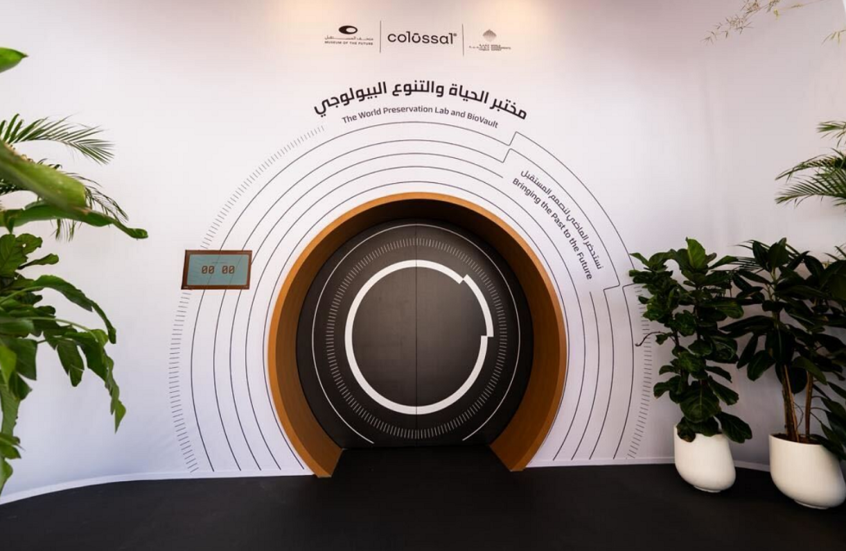
Colossal BioSciences, a startup in the field of synthetic biology, announced a multi-million dollar deal with the UAE to establish a secure biological laboratory and repository in Dubai, aimed at preserving genetic material of animal species and protecting them from extinction and environmental disasters.
Official Support from UAE Leadership
The official announcement came during the World Government Summit in Dubai, attended by the Crown Prince of the UAE, Sheikh Hamdan bin Mohammed bin Rashid Al Maktoum, where they confirmed the state's support for the project, which is part of a global network of biological repositories to preserve thousands of species worldwide.
A Project within the Museum of the Future in Dubai
The project will take place in the Museum of the Future in Dubai, and the UAE will participate in the current funding round for Colossal, which is working on projects to revive extinct species like the woolly mammoth, with the possibility of participating in future funding rounds.
A Vision for Future Biodiversity Protection
Majid Al Mansouri, the Executive Director of the Museum of the Future, stated: "The initiative, in its first year, will prioritize fieldwork and DNA research across various species, thus laying the scientific foundation for future biodiversity protection."
For his part, Ben Lamb, the CEO of Colossal, described the distributed network of biological repositories as a "modern Noah's Ark" that protects Earth's creatures from the impacts of climate change and species loss, emphasizing the urgent need for secure repositories and an international cooperation network to ensure the protection of life on Earth.
The Global Importance of the Project
The Dubai facility will house millions of samples from over 10,000 species, focusing on the more than 100 endangered species that are not currently preserved anywhere else. These repositories are part of similar international efforts such as the Svalbard Global Seed Vault in Norway and repositories in the United States, United Kingdom, Peru, Philippines, Mexico, and Australia.
A Step Towards a Sustainable Legacy
The initiative represents a bold step towards utilizing technology and innovation to address global environmental challenges, ensuring a sustainable scientific legacy for future generations and protecting biodiversity on planet Earth.


