Hormuz Strait: Will Iran resort to closing the strategic passage after the US-Israeli strikes?
February 28, 2026115 ViewsRead Time: 1 minutes
Font Size:
16
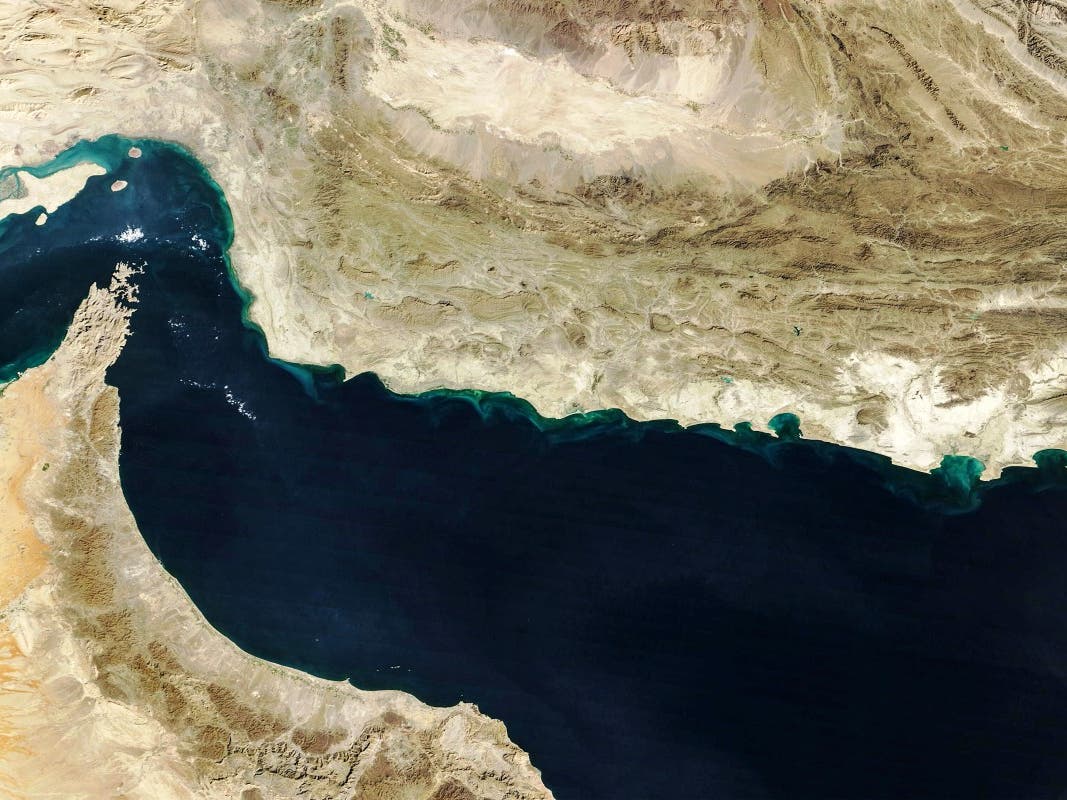
The Hormuz Strait is a vital artery for transporting oil and liquefied natural gas from the Gulf region to global markets, as a significant percentage of global energy exports pass through it, making it one of the most important strategic maritime passages in the world.
Questions are rising about whether Iran might resort to closing the strait or disrupting navigation in it following the recent US-Israeli strikes, especially since some Iranian officials had previously hinted at the possibility of closing it in the event of a US attack on the country.
Observers believe that such a step, if taken, could lead to severe disruptions in global energy markets and a significant rise in oil prices, in addition to expanding the scope of regional confrontation, given the heavy international military presence in the area and the connection of navigation security to the interests of major powers.
However, experts indicate that closing the strait is not an easy decision, due to its economic, political, and military repercussions, not only on energy-importing countries but also on Iran itself, which relies on the passage to export part of its oil.

