Coordinated Security Operation: Iraq Transfers ISIS Detainees from Syria in Preparation for Their Return to Their Countries
February 22, 2026148 ViewsRead Time: 2 minutes
Font Size:
16
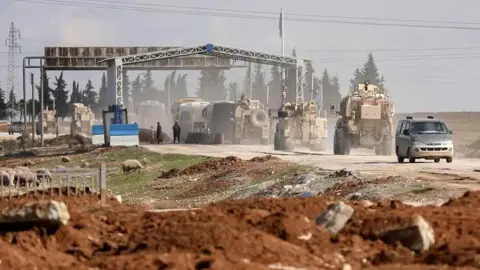
The Iraqi National Security Advisory announced the successful transfer of several ISIS members from Syrian prisons to Iraqi territory, confirming that this step is part of national security requirements, and that the presence of these detainees in Iraq "will not be permanent," while working on their return to their home countries.
Security Motivations and Exceptional Circumstances
Social Affairs Advisor at the National Security Advisory, Saeed Al-Jiyashi, stated in remarks to the Iraqi News Agency (INA) that the transfer decision came amid complex security conditions witnessed in some prisons in Syria, where there was security disruption, while others were opened and prisoners escaped.
He clarified that the transfer was carried out "in the officially announced number," and the detainees were placed in high-security Iraqi prisons.
Joint Judicial and Security Supervision
Al-Jiyashi confirmed that the operation was executed under the direct supervision of the Counter-Terrorism Service, with the participation of various security agencies, and with oversight from the Supreme Judicial Council, emphasizing that it was carried out "without recording any errors."
He pointed out that the advisory had warned over the past five years of the dangers of keeping organization members in unstable prisons in Syria, as this could pose a direct threat to Iraqi security.
A Temporary Solution Awaiting International Repatriation
The Iraqi official indicated that having the organization’s prisoners under the supervision of the judiciary and security agencies in Iraq is a safer option than leaving them in an "open and chaotic" environment, which reduces the chances of escape or the reformation of armed cells.
He added that the government is currently working on their return to their home countries, noting that the transferred detainees belong to more than 67 countries, making the file internationally complex and requiring extensive diplomatic and security coordination.
With this development, the file of ISIS detainees enters a new phase, characterized by strict security management within Iraq, awaiting an international settlement to return them to their homelands.
