Putin Announces: Development of Russian Nuclear Forces is a Top Priority After the End of "New START"
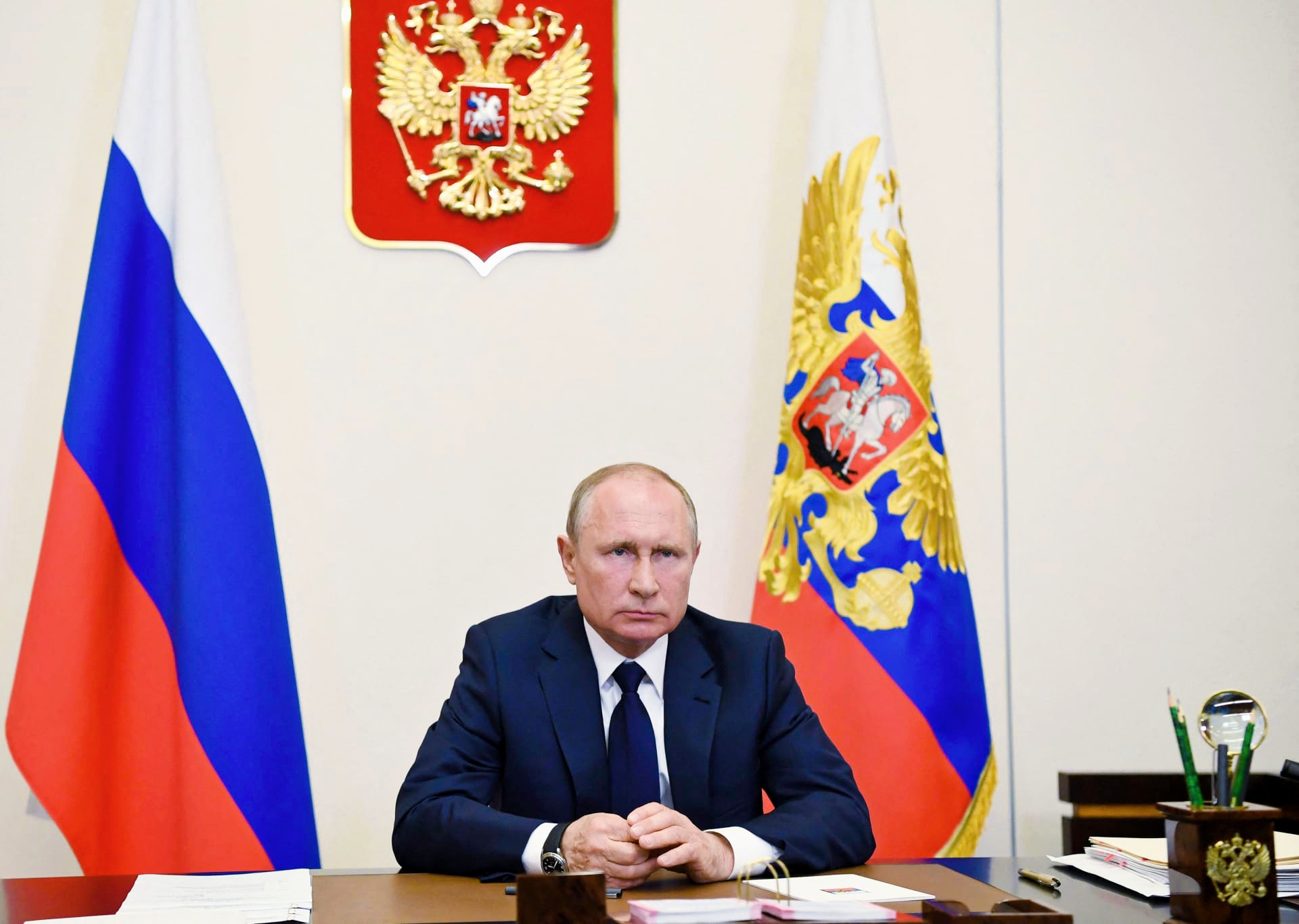
After the expiration of the "New START" treaty, which for years constituted the last official constraints on the two largest nuclear arsenals in the world, Russian President Vladimir Putin announced that the development of his country's nuclear capabilities has become an "absolute priority," in a move reflecting a sensitive shift in the global strategic deterrence balance.
In a video message on the occasion of "Defender of the Fatherland Day," Putin emphasized that strengthening the "nuclear triad" _which includes intercontinental ballistic missiles, submarine-launched missiles, and strategic bombers_ will remain the cornerstone of Russia's security and ensure "effective deterrence and balance of power in the world."
* Comprehensive Strengthening of the Army and Navy
The Kremlin's discussion was not limited to the nuclear aspect alone; the Russian president pledged to continue modernizing the capabilities of the army and navy, utilizing military experiences gained during the ongoing four-year war in Ukraine.
He confirmed that all branches of the armed forces will witness extensive improvements, including combat readiness, rapid deployment capability, and the execution of operational tasks in various conditions, even the most complex.
* End of the Last Nuclear Treaty Between Moscow and Washington
This month marked the expiration of the "New START" treaty, which was the last existing agreement between Moscow and Washington to regulate strategic nuclear weapons.
Russia had offered to extend the ceiling on the nuclear arsenal for each party for an additional year, but the United States did not respond to the proposal.
Despite the official end of the treaty, Moscow announced that it would continue to adhere to the quantitative limits stipulated in it, provided that Washington reciprocates, in an attempt to maintain a minimum of strategic stability.
* What is "New START"?
The treaty was signed in the Czech capital, Prague, in 2010 by then-Russian President Dmitry Medvedev and U.S. President Barack Obama, and it entered into force on February 5, 2011.
The agreement stipulated the reduction and deployment of binding ceilings for strategic nuclear weapons, specifying a maximum of:
• 1550 deployed strategic nuclear warheads for each party
• 700 deployed launch platforms, including intercontinental ballistic missiles, submarine-launched missiles, and heavy bombers
After the expiration of its original term (10years), it was extended only once for an additional five years in 2021, according to its terms which do not allow for further extensions.
Moscow also announced its readiness to adhere to the central quantitative limits until February 2027 "to maintain stability," provided that Washington shows similar restraint.
* A New Phase of Nuclear Ambiguity
With the end of "New START", the world enters an unprecedented phase in decades, in the absence of any binding legal framework that constrains the two largest nuclear powers.
Between Moscow's commitments to development and the complexities of the international scene, the future of the global strategic balance remains open to several possibilities.


