Washington Ties Nuclear Deal to Its Interests, Tel Aviv Calls for Continued Blockade of the Strait of Hormuz
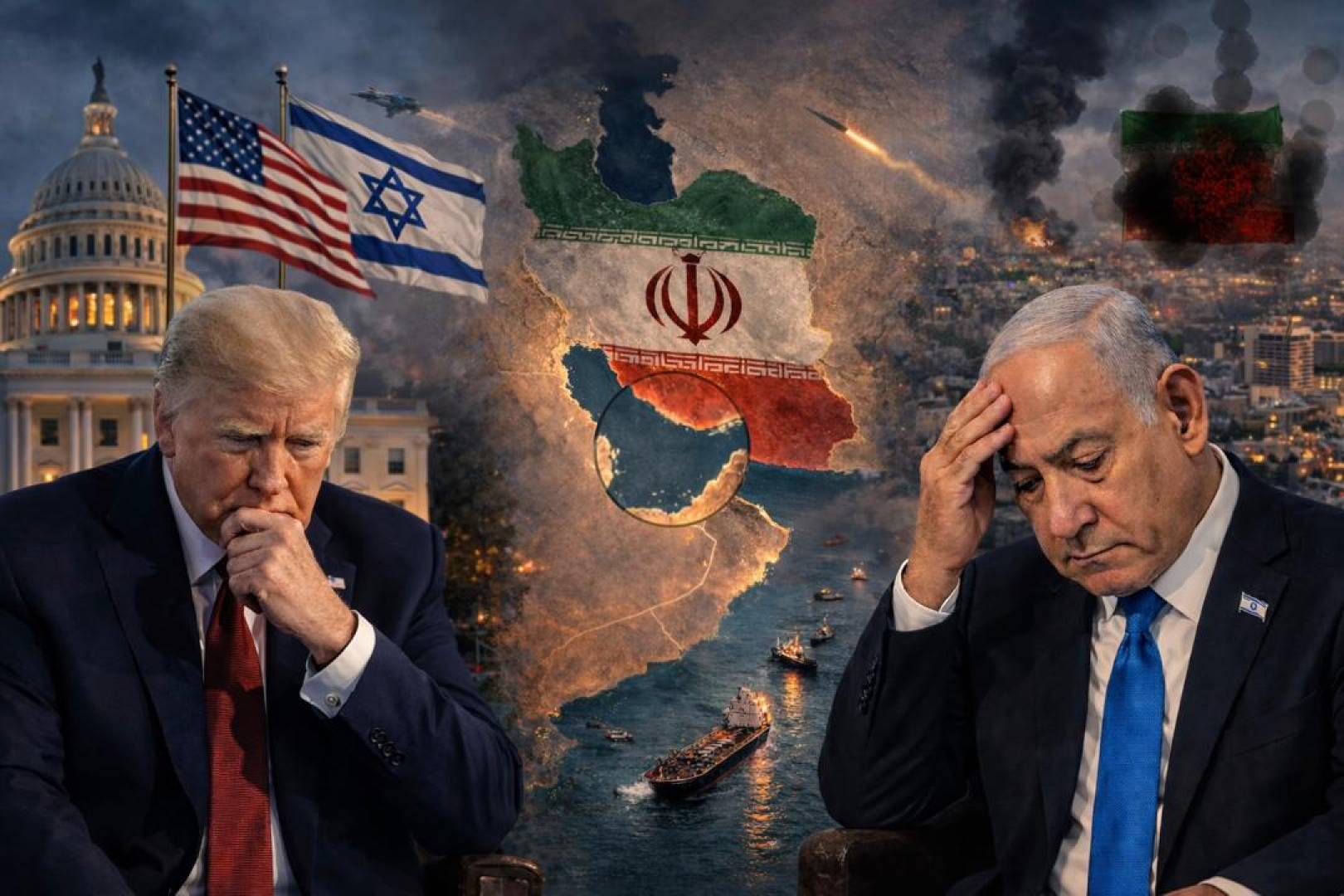
Today, Monday, the diplomatic arena witnessed a new escalation in international positions regarding the Iranian file, as "Bloomberg" reported a firm confirmation from the White House that the U.S. administration will not enter into any agreement that allows Tehran to possess nuclear weapons.
The American statement clarified that any future negotiation path must prioritize the interests of the American people, emphasizing that Washington will not accept concessions that affect national security or grant Iran loopholes to develop its military nuclear capabilities, which places international de-escalation efforts under a real test amid strict American conditions.
Israeli Option: Strait of Hormuz Blockade as a Strategic Pressure Tool
In a related context, a senior Israeli official revealed in statements to "Bloomberg" the current trends in Tel Aviv's approach to the maritime crisis in the region. The official confirmed that Israel's "preferred option" at this time is to maintain the blockade of the Strait of Hormuz, considering that the continued closure of this vital corridor represents an effective pressure tool against the Iranian regime. Military circles in Tel Aviv believe that the maritime blockade gives Israeli forces and international partners the necessary time to fully prepare for any potential escalation scenarios that may erupt in the region.
Exploiting Time Factor and Military Readiness
These Israeli statements reflect a clear desire to exhaust Iranian capabilities through economic and maritime blockade, while exploiting the current state of "neither war nor peace" to enhance military readiness. The Israeli official pointed out that time works in favor of the forces seeking to undermine Tehran's influence, as long as the Strait of Hormuz remains under surveillance and blockade, confirming that readiness for any comprehensive confrontation requires continued field and maritime pressure to ensure that Iran does not seize the initiative in international waterways.
Implications for Navigation Stability and Energy Supplies
These rigid positions from Washington and Tel Aviv raise increasing international concern about the future of global energy security. While Washington insists on "the interests of the American people" as a fundamental condition for any agreement, Tel Aviv pushes towards legitimizing the blockade of the Strait of Hormuz as a strategic reality. Observers believe that this harmony in positions aims to tighten the noose around Tehran as much as possible, which could push the region to the brink if Iran decides to respond to the continued blockade that has begun to undermine its economy and geopolitical standing at the beginning of this week.