Lebanon-Israel Talks in Washington Begin with Positive Signs to End the War
U.S. Official: The First Day of Lebanese-Israeli Talks Was Fruitful
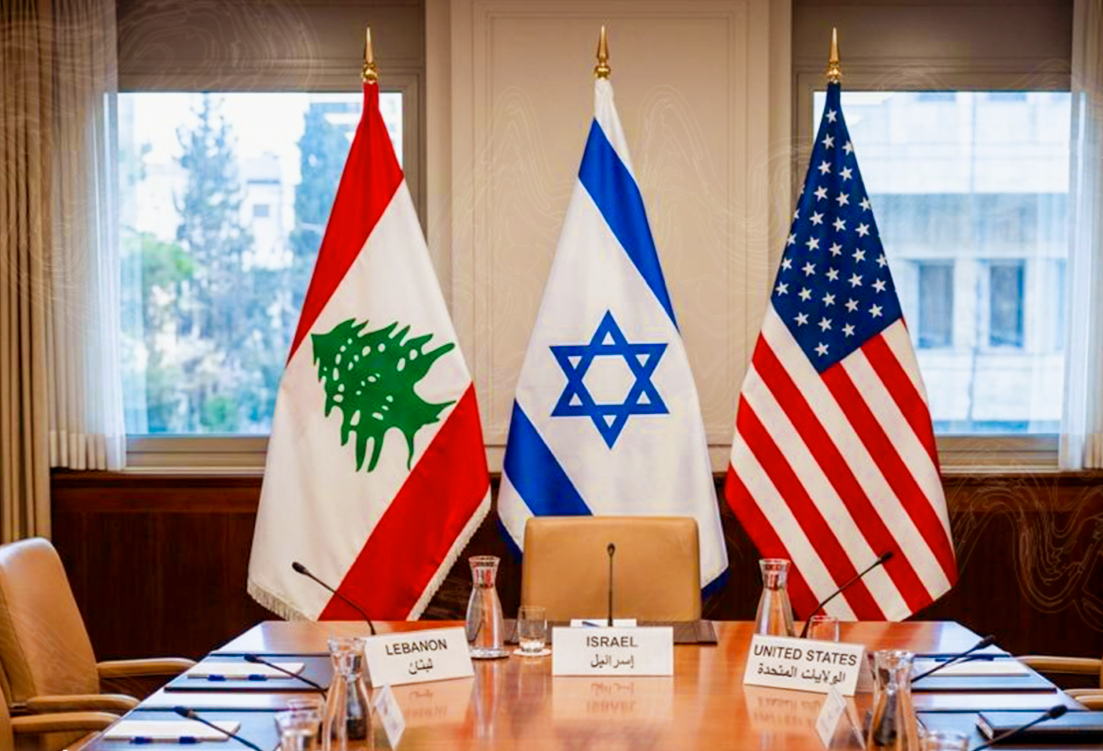
A senior U.S. official described the first day of the Lebanese-Israeli talks that began in Washington as "positive and fruitful," confirming that the meetings will continue for a second day as scheduled, amid U.S. efforts to reach an agreement that stops the war and defines the future relationship between Lebanon and Israel.
The official from the U.S. State Department stated that the discussions lasted from 9 AM to 5 PM local time, adding: "We had fruitful and positive talks throughout the day, and we look forward to continuing these discussions tomorrow, hoping to have more to share."
A New Round of Lebanese-Israeli Talks Kicks Off at the U.S. State Department
The new round of Lebanese-Israeli talks began yesterday, Thursday, inside the U.S. State Department building in Washington, with delegations from both sides participating under direct U.S. sponsorship.
A diplomat familiar with the negotiations explained that the meetings started around 9 AM local time, noting that the negotiations will extend over two days, while the Israeli website "Ynet" reported, citing an Israeli source, that the meetings will continue until Friday.
The Negotiations Aim to Establish a Ceasefire and Prevent Renewed War
The current talks focus on establishing a fragile ceasefire between Lebanon and Israel, in addition to discussing the future of the security and political relationship between the two parties, at a time when fears are rising of a collapse of the truce and a return to broader military confrontations.
This round follows a series of previous meetings held at the ambassadorial level in Washington, the last of which was a meeting held at the White House on April 23.
Trump Previously Announced an Extension of the Ceasefire Between Lebanon and Israel
The previous round of talks witnessed U.S. President Donald Trump announcing an extension of the ceasefire for an additional three weeks, expressing optimism at the time about the possibility of reaching a "historic agreement" between Lebanon and Israel.
Trump stated at that time that he expected to host Israeli Prime Minister Benjamin Netanyahu and Lebanese President Joseph Aoun in Washington during the truce period for the first direct summit between the two sides, although the meeting did not take place.
This came after the Lebanese president insisted on the necessity of stopping Israeli attacks and reaching a clear security agreement before any direct political meeting.
Israel Continues Strikes on Southern Lebanon Concurrently with the Negotiations
Alongside the start of the talks in Washington, Israel continued to carry out airstrikes on areas in southern Lebanon, where the Israeli army announced targeting "infrastructure" belonging to Hezbollah in several southern villages and towns.
The Israeli strikes were preceded by evacuation warnings directed by Israeli authorities to residents of some southern areas, increasing tensions despite the ongoing political negotiations.
Over 400 Killed Since the Ceasefire Began in April
Despite the ceasefire coming into effect on April 17, the ongoing Israeli airstrikes have resulted in the deaths of more than 400 people, according to data circulated during the ongoing talks.
These developments indicate the fragility of the current agreement and the difficulty of maintaining the truce amid continued military operations on the ground.
The War Between Hezbollah and Israel Expanded After Regional Escalation with Iran
The scope of the war in the Middle East expanded to Lebanon after Hezbollah launched rockets towards Israel on March 2, in response to the assassination of Iranian leader Ali Khamenei during the first day of U.S. and Israeli strikes against Iran.
Israel responded with intensive strikes and ground incursions in southern Lebanon, leading to the displacement of more than one million people from affected areas.
Lebanese Health Ministry Announces Increase in War Casualties
The Lebanese Health Ministry announced on Wednesday that the toll from the ongoing war has risen to at least 2,896 dead, in addition to 8,824 people injured with varying degrees of severity.
Humanitarian agencies continue to warn of the worsening humanitarian conditions in southern Lebanese areas amid ongoing shelling and widespread population displacement.