Argentina Sends Team of Scientists to Ushuaia to Investigate Hantavirus After 3 Deaths
Argentinian Scientists Begin Field Investigation in Ushuaia
Argentina is preparing to send a team of specialized scientists to the coastal city of Ushuaia in the south of the country next week to verify the presence of Hantavirus in the area, according to health authorities announced yesterday Thursday.
This move comes after a rare outbreak of Hantavirus aboard the cruise ship "MV Hondius," which resulted in the death of three people and raised international health concerns.
“MV Hondius” Ship Raises Concerns About Hantavirus Transmission
The cruise ship "MV Hondius" set sail from Ushuaia on April 1, before cases of Hantavirus infection were later reported among its passengers.
The outbreak led to the death of three people, prompting health authorities and international organizations to closely monitor the epidemiological situation, amid fears of human-to-human transmission aboard the ship.
Ushuaia Authorities Deny Being the Source of Initial Infection
Ushuaia authorities have denied for two weeks that the city is the source of infection for the passenger believed to be the "patient zero" in the recent outbreak.
Local authorities confirmed that the province of Tierra del Fuego, where Ushuaia is located, has not recorded any cases of Hantavirus since reporting the disease became mandatory about 30 years ago.
Disappearance of Long-Tailed Rat Raises Questions About Virus Source
According to local authorities, the "long-tailed rat," known to be the primary carrier of the "Andes" strain of Hantavirus, has disappeared from the area for years.
The "Andes" strain of Hantavirus is considered one of the most dangerous strains due to its rare ability to transmit between humans, unlike most other strains that only transmit from rodents to humans.
Malbrán Institute Leads Epidemiological Investigations in Ushuaia
Regional health official Juan Petrina stated that a team of scientists from the Malbrán Institute, Argentina's leading institute specializing in epidemiology, will travel to Ushuaia next week to conduct field investigations.
Petrina added during his statements to reporters that laboratory test results are expected to be released within four weeks.
Sample Collection and Laboratory Tests to Detect Hantavirus
Scientists from the Malbrán Institute will work in cooperation with regional specialists to collect samples from the area and send them to laboratories for necessary testing.
The aim of these tests is to determine whether Hantavirus is present in Ushuaia or if the infection has spread from another area.
How Does Hantavirus Spread Between Rodents and Humans?
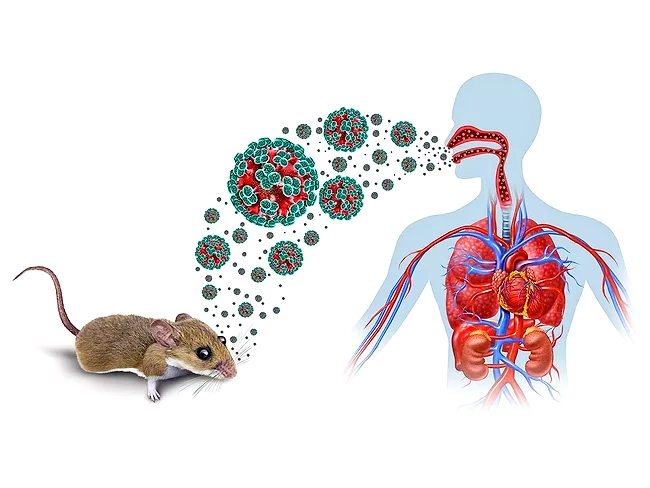
Hantavirus typically spreads through rodents, particularly through urine, feces, and saliva.
Humans can become infected with the virus by inhaling contaminated particles in the air or by touching surfaces contaminated with secretions from infected rodents.
Hantavirus Causes Severe Respiratory Syndrome Without Vaccine or Treatment
There is no specific vaccine or treatment for Hantavirus, which can lead to severe respiratory syndrome in some cases.
Early detection and prompt medical care are among the most important factors in reducing complications associated with the disease.
World Health Organization Suggests Infection Occurred Before Cruise
The World Health Organization believes that the first Hantavirus infection occurred before the cruise of the tourist ship began.
According to initial estimates, it is likely that the infection later spread among some passengers aboard the ship during the voyage.
Argentinian Authorities Confirm Stability of Epidemiological Situation in Ushuaia
Regional health official Juan Petrina confirmed that the epidemiological situation in the area has not seen significant changes so far.
He said: "We have not recorded any new infections, and it has been 45 days since the ship sailed," referring to the absence of indicators for a widespread outbreak of the virus within Ushuaia.