Brazilian President Reveals Trump's Stance on Cuba Invasion Amid Rising Tensions
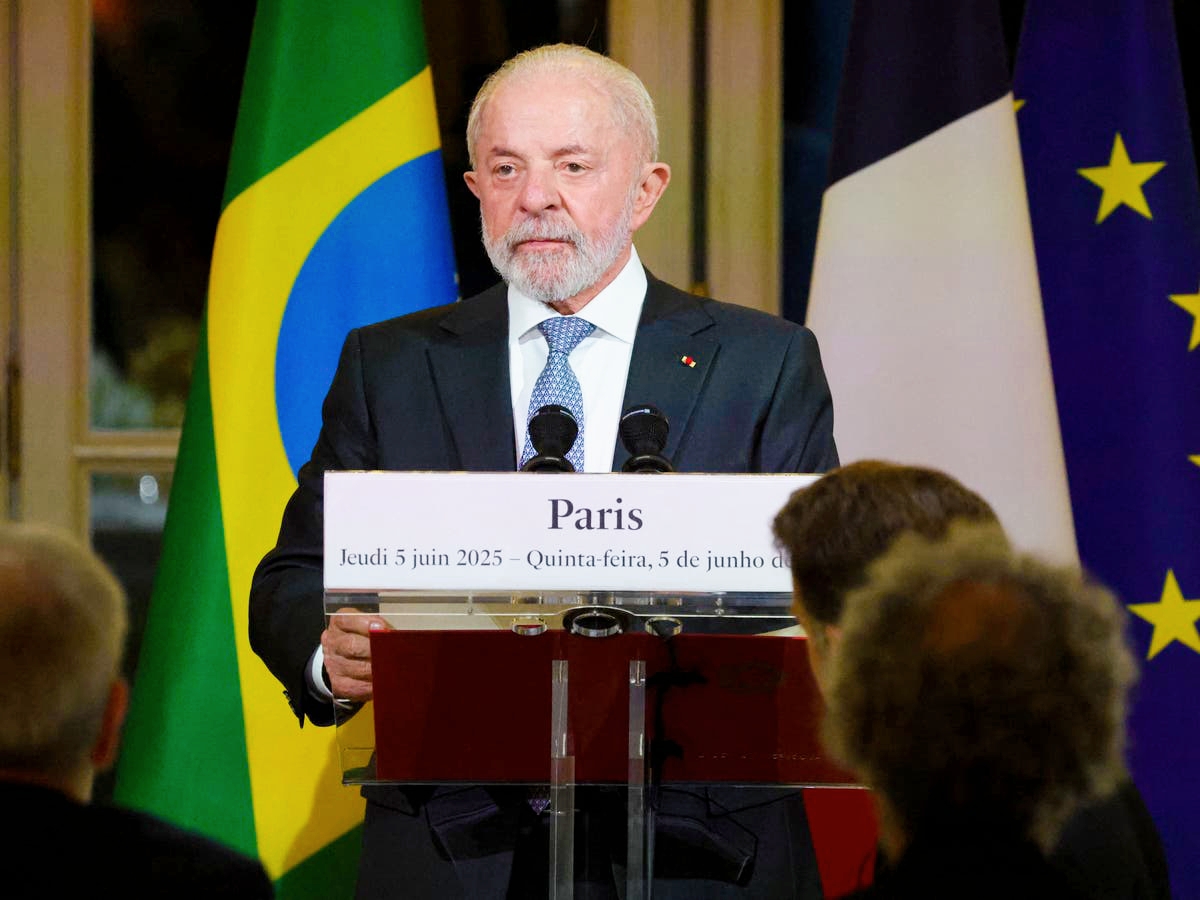
Brazilian President Reveals: Trump Assured Him of No Intent to Invade Cuba Amid Rising Tensions with Havana
Tensions between the United States and Cuba are escalating amid ongoing political and military pressure from the administration of U.S. President Donald Trump, raising international concerns about the potential for the crisis to escalate into military confrontation, despite official assurances of no intent to invade the island.
Lula da Silva Relays Trump's Message on Cuba and Denies Invasion Plans
Brazilian President Luiz Inácio Lula da Silva confirmed that U.S. President Donald Trump directly informed him of Washington's lack of intention to invade Cuba, at a time when speculation about American actions against Havana is increasing.
Despite this denial, public statements and U.S. political and military maneuvers continue to raise growing concerns about the future of relations between the two countries.
U.S. Political and Military Escalation Deepens Crisis with Cuba
Relations between Washington and Havana are experiencing a noticeable escalation, as the U.S. administration intensifies its political and military pressure on the Cuban government.
Reports indicate an increase in U.S. aerial reconnaissance and surveillance operations near Cuban shores since February, coinciding with the imposition of strict economic sanctions on Cuba.
The Cuban government views these actions as collective punishment that poses a serious threat to national security.
Cuba Accuses Washington of Threatening It and Describes Actions as War Crimes
Havana responded to the U.S. escalation by describing military and economic maneuvers as a direct threat constituting a "war crime" according to official Cuban statements.
It also confirmed that current U.S. policies are exacerbating the humanitarian crisis within the country, especially amid an energy crisis and shortages of essential supplies.
Reports of Economic Blockade and Escalating Humanitarian Crisis in Cuba
Reports indicate that Cuba is suffering from a rising humanitarian crisis due to what Havana describes as an "energy blockade" imposed by Washington, which has led to a significant decline in oil supplies.
The crisis has worsened following a reduction in support from traditional allies, primarily Venezuela, increasing pressure on the country's economic infrastructure.
Potential U.S. Military Actions and Indirect Options Considered
According to reports and political analyses, Washington does not rule out the option of indirect military intervention, through strategies aimed at destabilizing the regime in Cuba without entering into full-scale war.
This strategy includes enhancing economic and political pressures, alongside increasing military presence around the island.
Some reports also mentioned the possibility of using aircraft carriers as a direct military pressure tool on the Cuban regime.
The White House and Accusations of Cuba as a "Failed State"
In the context of the escalation, officials in the White House have been quoted as stating that Cuba is a "failed state," and that the issue of regime change there is "only a matter of time."
U.S. Secretary of State Marco Rubio has also intensified his rhetoric towards the Cuban leadership, describing it as an administrative and political failure.
Expectations of Potential Political and Military Shifts in the Region
Analysts believe that the most likely scenario does not point towards a direct ground invasion, but rather a long-term pressure strategy aimed at weakening the regime and pushing it towards internal collapse.
Expectations are increasing for significant developments as sensitive political events approach within Cuba, amid international anticipation of any sudden military or political moves that could change the balance of power in the region.