Two-Week Deadline: Israel Ties Return to Fighting in Lebanon to Successful Negotiations and Confirms: The Decision is in Trump's Hands
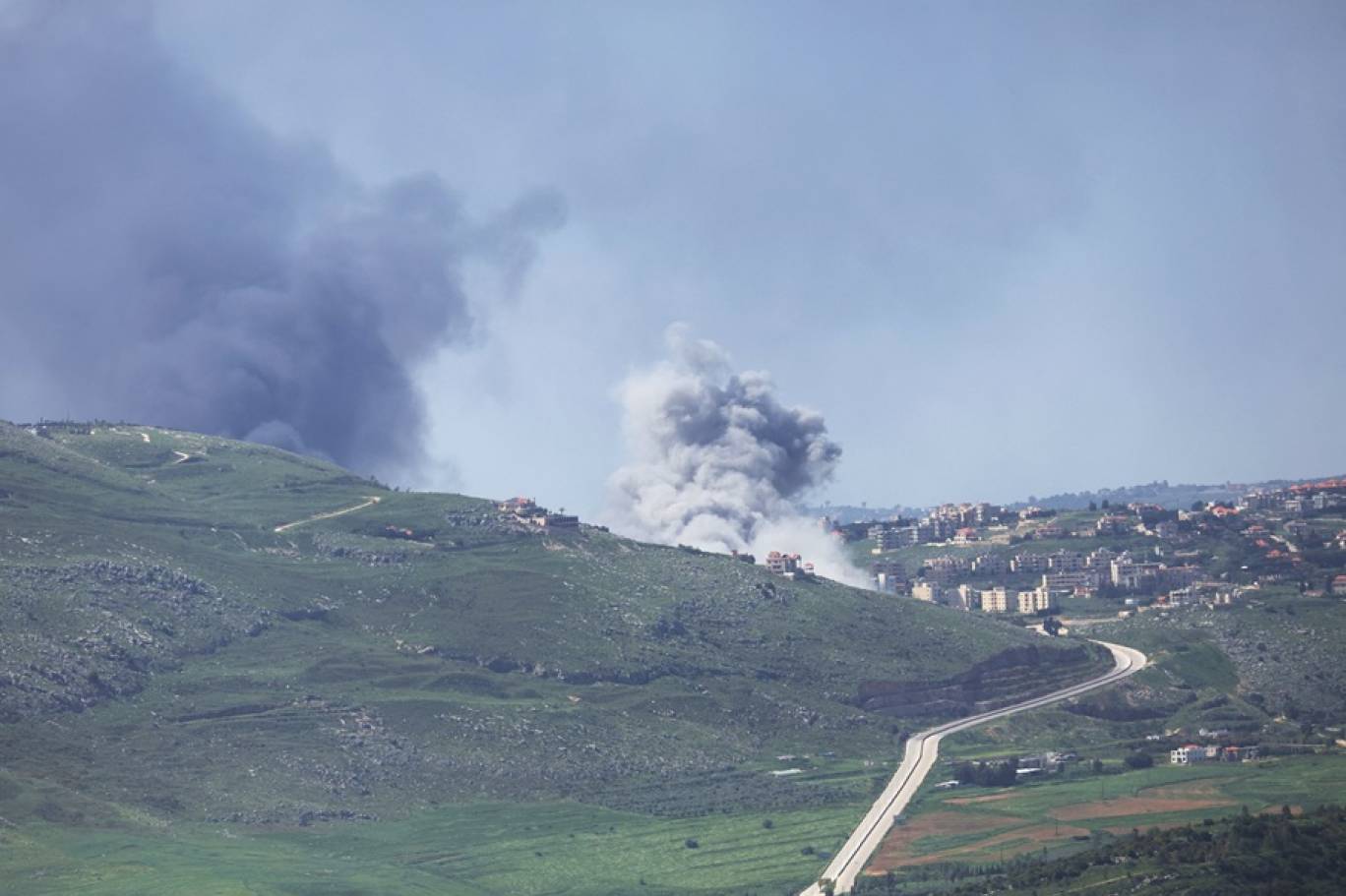
Race Against Time: Negotiations Under Pressure of the "Two-Week Deadline"
These statements come to outline a tight timeline for diplomatic moves, as mediators seek to bridge the gaps regarding border arrangements and disarmament in southern Lebanon before the deadline expires. The Israeli official indicated that the military option is still firmly on the table, and the Israeli army is on alert to resume combat operations if negotiations falter or if Beirut does not respond to the Israeli security demands regarding the safety of northern settlements.
"Our Problem is That the Decision is in Trump's Hands".. Complications of the Diplomatic Scene
In a notable admission reflecting the extent of American policy's influence on Israeli military decisions, the official stated that the "major problem" they face is that the final and actual decision regarding the continuation of the ceasefire or the resumption of military operations with Lebanon lies with U.S. President Donald Trump. This statement reflects the level of coordination—or pressure—exerted by the Trump administration in 2026 to impose its vision for regional calm, making the Israeli decision closely linked to understandings with Washington.
Scenarios After the Ceasefire Expires
Observers believe that linking the fate of the northern front to the two-week deadline aims to exert maximum pressure on the Lebanese government and Hezbollah to make substantial concessions. With the White House entering as a key player and decision-maker in the timing of fighting and ceasefires, it seems that the coming days will witness frantic diplomatic activity between Washington, Tel Aviv, and Beirut, awaiting what will emerge from the "final word" from President Trump, which will determine whether the region will head towards fragile stability or a more fierce military confrontation.