Trump and Netanyahu Tighten the Noose on Iranian Oil and Intensify Nuclear Pressure
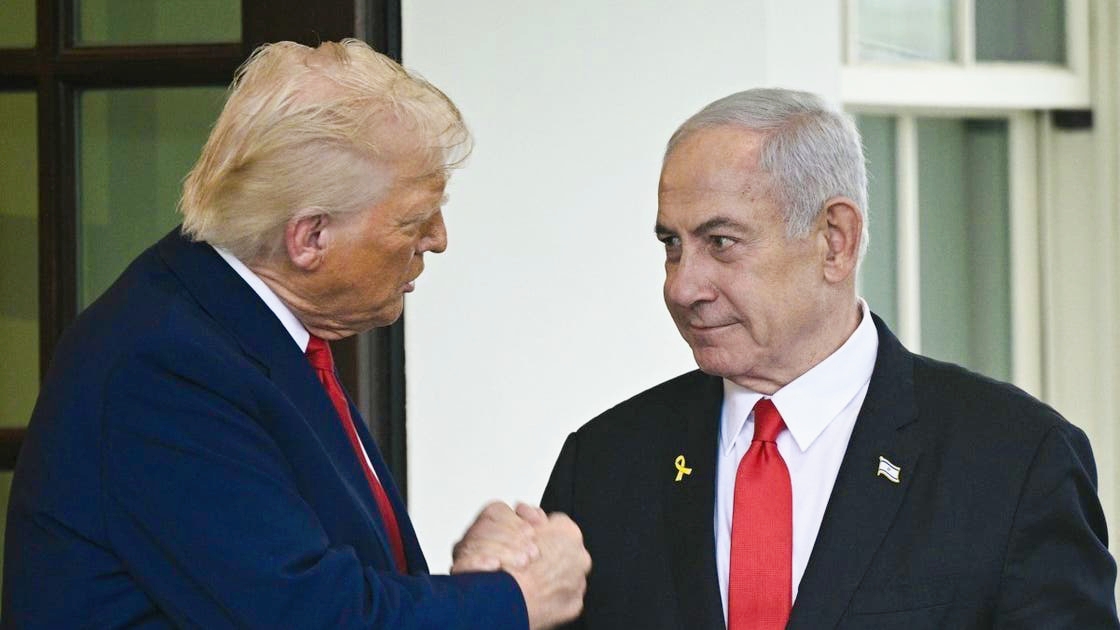
In a move reflecting a coordinated escalation against Tehran, U.S. President Donald Trump and Israeli Prime Minister Benjamin Netanyahu agreed to intensify economic pressures on Iran, particularly focusing on its oil exports to China.
The agreement came at a time when nuclear talks are ongoing, amid American warnings of diplomatic failure if tangible results are not achieved.
* Oil Sales to China Under Scrutiny
During their meeting at the White House, Trump and Netanyahu emphasized the "maximum pressure" policy against Iran, aiming to reduce its oil exports, especially to China, which accounts for over 80% of Iranian oil purchases.
U.S. officials confirmed that this step will coincide with the continuation of nuclear talks and an increase in U.S. military presence in the region in anticipation of any potential escalation.
* Preventing Iran from Developing Nuclear Weapons
On the nuclear front, the leaders agreed on the ultimate goal of preventing Iran from acquiring nuclear weapons, despite differences in the means to achieve that.
Netanyahu expressed skepticism about the possibility of reaching an agreement with Iran, pointing to its lack of commitment to any future agreements, while Trump expressed optimism about the possibility of reaching a deal, saying: "We will see if that is possible, let's try."
U.S. advisors Steve Mnuchin and Jared Kushner confirmed that past experiences demonstrate the difficulty of reaching a satisfactory agreement, but they noted Iran's flexibility in rhetoric, emphasizing the continuation of negotiations while maintaining a firm stance.
* Second Round of Negotiations in Geneva
Mnuchin and Kushner are scheduled to meet an Iranian delegation in Geneva next Tuesday for a second round of negotiations, following the exchange of messages via the Omani Foreign Minister this week.
An American official confirmed that "the ball is in Iran's court," stressing that Washington will not accept any agreement that does not meet its conditions.
In a related context, Iranian journalists circulated an American proposal to suspend uranium enrichment for 3 to 5 years and remove about 450 kilograms of highly enriched uranium from Iran, but an American official denied that this offer was made officially.
* Imposing Tariffs on Countries Dealing with Iran
In an additional step, Trump signed an executive order ten days ago allowing the Secretaries of State and Commerce to recommend imposing tariffs of up to 25% on any country that conducts trade with Iran, which could include China if it continues to purchase Iranian oil.
And although the goal is to increase pressure on Iran, any imposition of tariffs on Beijing could complicate the already strained relations between Washington and Beijing, at a time when the United States seeks to maintain the flow of critical rare minerals and ensure the success of an upcoming summit in Beijing next April.
* Global Markets Watch Closely
The developments raise concerns in global markets about the potential disruption of oil supplies in the event of Iranian escalation, while the international community awaits China's reactions to U.S. pressures, which may push Tehran to make additional concessions on its nuclear file.