Maritime Crisis in Hormuz: Thailand Appeals to China and Beijing Acknowledges Its Inability to Free Its Detained Ships
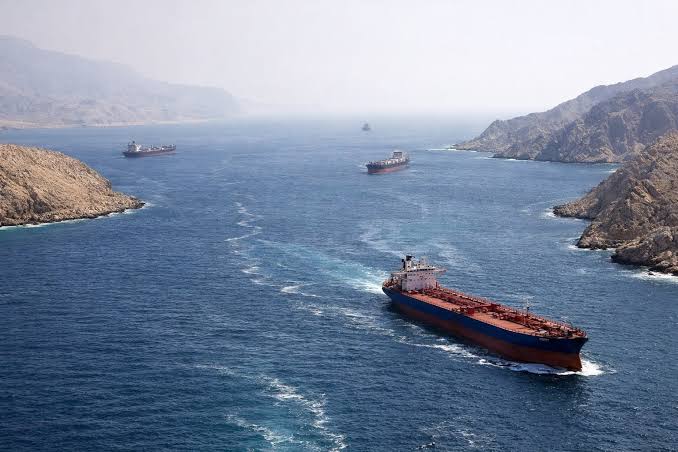
The Thai Foreign Minister revealed today, Monday, new complexities facing international shipping in the Gulf region, announcing that his country has made an official request to the People's Republic of China for intervention and assistance in securing the passage of 8 Thai ships stranded in the Strait of Hormuz.
This move comes amid escalating maritime risks threatening Asian supply chains, with Bangkok attempting to leverage Beijing's political and economic influence in the region to ensure the safety of its crews and commercial shipments.
Beijing Acknowledges the Difficulty of the Situation: 70 Chinese Ships Under Siege
In a surprising revelation reflecting the scale of the crisis facing the Chinese commercial fleet itself, the Thai Foreign Minister stated that the Chinese response was "frustrating," as officials in Beijing informed their Thai counterparts that they are currently struggling to free about 70 Chinese ships detained or stranded in the Strait of Hormuz.
This Chinese acknowledgment indicates that the crisis has surpassed the capabilities of traditional diplomatic mediation, and even major powers are suffering from the repercussions of the closure and maritime siege imposed by military tensions in this vital corridor.
Implications of the "Shipping Crisis" on the Asian Economy
Maritime transport experts believe that China's admission of the difficulty in freeing its ships sends negative signals to global trade markets, especially in Southeast Asia. Thailand, which heavily relies on maritime exports and imports, finds itself today at a dead end after the failure of Chinese mediation.
The detention of 70 ships belonging to the world's second-largest economy reflects the seriousness of the threats in the Strait of Hormuz, which may drive global shipping companies to seek alternative routes at multiplied costs or wait for a political breakthrough that seems far-fetched under the current circumstances.
Alternative Corridors and Bangkok's Difficult Options
Faced with this challenge, the Thai government finds itself compelled to seek other options to protect its commercial interests, at a time when regional powers show no signs of easing maritime restrictions.
This incident confirms that the crisis in the Strait of Hormuz is no longer limited to the direct parties in the conflict but has extended to affect the energy and trade security of geographically distant countries like Thailand, placing the international community under an urgent responsibility to secure international waterways and prevent them from becoming a tool for political pressure that the global economy pays the price for.