“Shame on Our Nation”.. Trump Attacks Supreme Court After His Tariffs Were Overturned
February 21, 2026137 ViewsRead Time: 2 minutes
Font Size:
16
U.S. President Donald Trump launched a scathing attack on the judges of the U.S. Supreme Court following their decision to overturn his tariff package, describing some members of the court as a “source of shame for the nation” and lacking “courage and patriotism.”
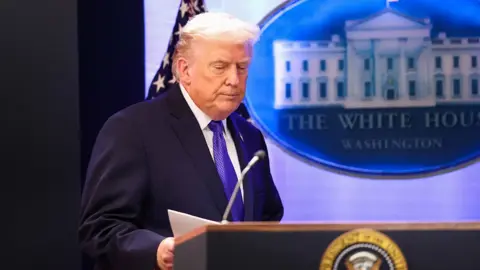
Trump made these remarks during a press briefing at the White House, expressing “great disappointment” with the ruling, considering that the decision harms U.S. interests and serves foreign parties.
“You will not be able to stop us”
Trump accused the judges of “ridiculously” restricting his financial powers, asserting that he has “strong alternatives” that enable him to bring in billions of dollars and continue his economic agenda.
He stated emphatically:
“You will not be able to stop us.. They stand against anything that makes America strong, healthy, and great again.”
In contrast, he thanked the judges who opposed the ruling, praising their positions and describing their dissenting opinions as “indisputable.”
Background of the Judicial Decision
The Supreme Court ruled, by a majority of 6 votes to 3, that Trump “exceeded his authority” when imposing broad tariffs based on the International Emergency Economic Powers Act, considering that the legal text does not grant him the power to impose general tariffs.
The ruling represents a legal setback for Trump, who has made tariffs a central tool in his economic policy and trade negotiations since returning to the White House.
Alternative Plan and Potential Escalation
According to media reports, Trump informed state governors that he has an “alternative plan” to confront the court's decision, referring to the possibility of resorting to other legal tools, including Section 122 of the Trade Act of 1974, which allows for temporary tariffs to address imbalances in the balance of payments.
This escalation opens the door to a new confrontation between the White House and the judiciary at a time when concerns are growing about the implications of U.S. trade decisions on the global economy.
Unprecedented Institutional Clash
The public attack from a U.S. president on the highest judicial authority in the country reflects an unprecedented level of tension between the executive and judicial branches, raising questions about the limits of presidential powers in managing sensitive economic issues.
The question remains:
Is Washington heading towards a long constitutional battle, or will the dispute turn into a new round of legal and trade maneuvers?

