Trump Challenges Supreme Court and Announces a 10% Increase in Global Tariffs
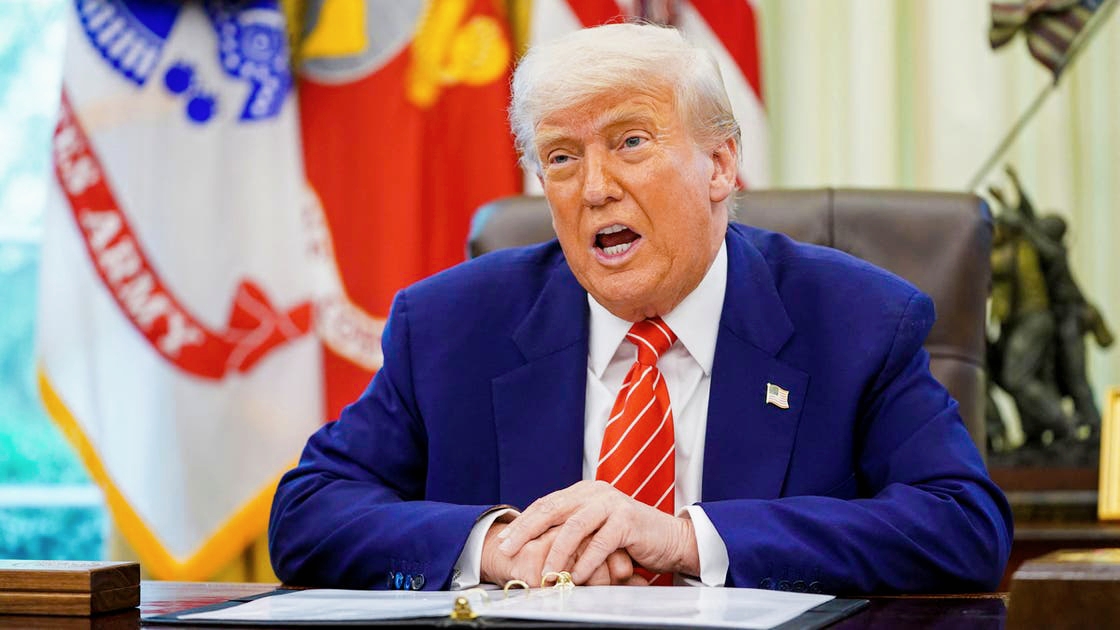
In a new escalation on both the trade and legal fronts, U.S. President DonaldTrump announced his intention to increase global tariffs by 10% compared to current levels, asserting that his trade decisions do not require congressional approval.
Trump described the U.S. Supreme Court's decision that limited his use of emergency powers to impose tariffs as "shameful" and "ridiculous," indicating that the judges were influenced by foreign interests and neglected American interests.
Trump added in his statements that the tariffs he imposed in previous years were necessary to protect U.S. national security, contributing to the end of what he termed "economic wars," and made America "great" again.
In a candid comment on the Supreme Court ruling, Trump affirmed that the countries benefiting from the judicial decision "won't rejoice for long," pointing out that these countries have exploited the U.S. economy for many years.
Trump did not stop there; he confirmed that he would adopt a stricter trade approach in the future, stating that he has "strong legal alternatives" that allow him to impose higher tariffs, including using the Trade Act of 1974, which enables him to impose strict licensing and regulatory procedures on imports.
Trump did not hesitate to challenge the judiciary, stating: "It is my right to suspend trade with any country if national interest requires it," in a clear indication of his readiness to confront any restrictions that judicial authorities may impose.
This escalation coincided with rising global trade tensions, amid fears that any further escalation in tariffs could lead to increased disruptions in supply chains and higher costs for businesses and consumers.
This dispute between the U.S. president and the judiciary has also raised questions about the future of U.S. trade policy and its implications for global markets.
* What Awaits the U.S. Economy?
As global markets closely monitor developments in this dispute, analysts believe that escalating tensions between the executive and judicial branches could alter the face of U.S. trade policy and increase volatility in global markets.
What will the coming days bring in this renewed conflict?

