Secrets Behind Laughter: Psychological Symbols and Hidden Sins in the World of 'SpongeBob' - A Children's Series with Multiple Faces
January 15, 2026449 ViewsRead Time: 3 minutes
Font Size:
16
After more than 25 years since its debut in 1999 on Nickelodeon, the famous animated comedy series 'SpongeBob SquarePants' continues to stir controversy and reveal hidden layers beyond being merely an entertainment work aimed at children.
Behind the cheerful adventures in Bikini Bottom, circulating analyses suggest that the series includes psychological symbols and characters designed to reflect complex human behaviors that viewers may not capture in their early years.
Behind the cheerful adventures in Bikini Bottom, circulating analyses suggest that the series includes psychological symbols and characters designed to reflect complex human behaviors that viewers may not capture in their early years.
Ongoing Success and New Seasons
'SpongeBob' is preparing to air its sixteenth season later this year, having surpassed 300 episodes and five feature films, the latest being 'SpongeBob: Sponge on the Run'.
With the re-watching of old episodes, a wide audience has noticed subtle details, cultural references, and mysterious secondary characters, making the experience entirely different from the first viewing.
The Theory of the Seven Deadly Sins
A user named Alice reignited the discussion after sharing a note from her niece suggesting that the main characters in the series represent the seven deadly sins, a theory that gained widespread attention on social media.
Alice said:
"I looked into it and found that the creators spoke about it openly. The goal was not to teach children a direct moral lesson, but to add a hidden psychological layer that adults feel unconsciously."
A Symbolic Reading of 'SpongeBob' Characters
According to this interpretation, the main characters represent exaggerated human archetypes:
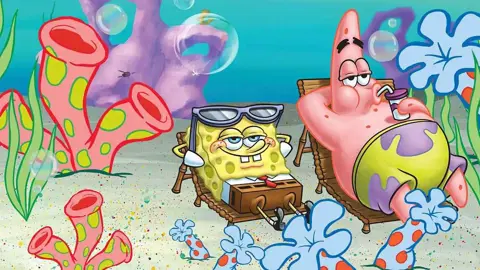
Patrick Star: symbolizes laziness and idleness, living without ambition under a rock and avoiding any responsibility.
Mr. Krabs: embodies greed and excessive avarice, placing money above all else.
Plankton: reflects envy, being constantly preoccupied with what others have instead of developing himself.
Squidward: represents repressed anger and chronic frustration with life and his surroundings.
Sandy Cheeks: symbolizes pride and the desire to prove oneself and excel.
SpongeBob: expresses lust in its symbolic sense, meaning an excessive desire for love, giving, and pleasing everyone.
Pearl: Mr. Krabs' daughter, viewed as a symbol of gluttony, given her large appetite and rapid growth.
Not Evil Characters… But Human
Alice clarifies that these characters do not represent evil itself, but rather reflect human behaviors that we see daily, albeit in an exaggerated cartoonish form, which gives the work new dimensions as the viewer ages.
Was the Series Made for Adults?
In the same context, users on TikTok believe that 'SpongeBob' was not designed solely for children, but also for adults, with psychological hints and indirect messages, explaining its continued existence as a beloved cultural phenomenon across generations.
They point out that this approach is not an exception, as many classic children's programs carry deep or dark themes, such as 'Adventure Time', which combined entertainment with hidden philosophical messages.
The Secret of Lasting Appeal
Between simple comedy and deep symbols, it seems that the secret to 'SpongeBob's' success lies in its ability to appeal to both children and adults simultaneously, maintaining its status as one of the most influential and widespread animated series in television history.


