New Israeli Airstrikes Target Southern Lebanon
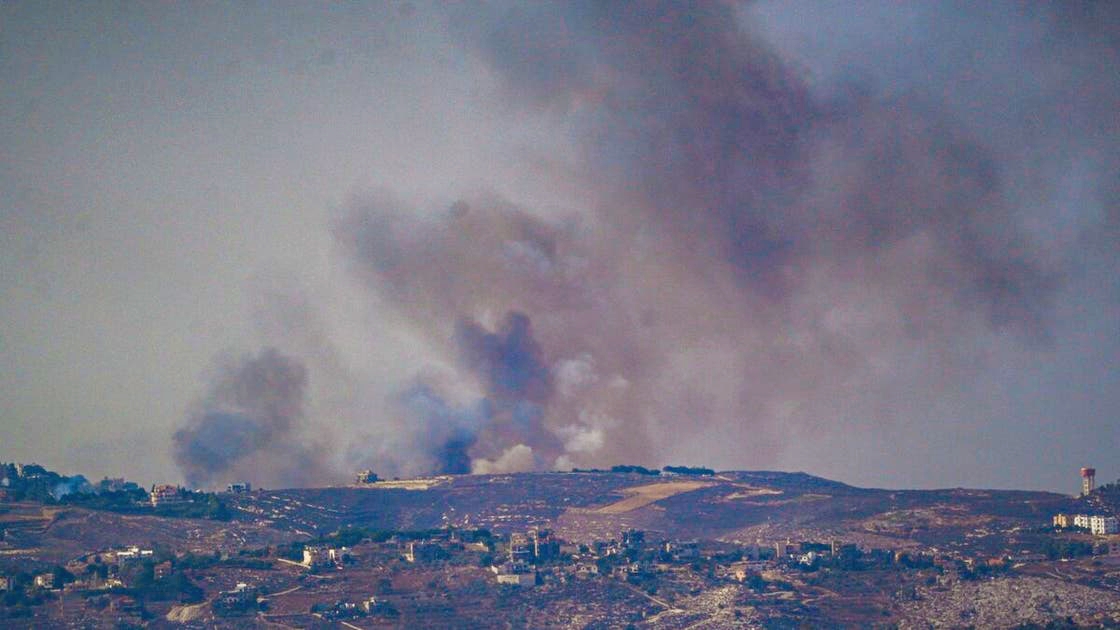
In a new escalation in southern Lebanon, Israeli warplanes launched a series of airstrikes on various areas today, Sunday, February 15, 2026, targeting the Barghoz Valley, the heights of the Tuffah region, and Houmine al-Fawqa.
The attacks focused on the Rihani area located in southern Lebanon, where the airstrikes destroyed infrastructure believed to belong to Hezbollah, amidst rising tensions between the two sides.
Despite the ceasefire agreement reached on November 27, 2024, Israeli airstrikes in southern Lebanon have continued for a long time, with Israel declaring that it targets Hezbollah positions, justifying its strikes as aimed at preventing the party from enhancing its military capabilities in the region.
The Israeli army stated that it "will not stop targeting sites that pose a threat to Israeli security."
While the Lebanese army emphasizes its continued efforts to maintain security in areas south of the Litani River, especially by deploying its forces to limit illegal weapons outside the state's framework, Israel rejects what it considers "insufficient measures."
The Israeli army has maintained its positions in five border heights within Lebanese territory, ignoring calls for its withdrawal, complicating the security situation along the border.
At the same time, the situation in Lebanon remains polarized, as Israeli authorities believe that Hezbollah is working to rebuild its military capabilities in southern Lebanon, raising fears of renewed escalation in the region at any moment.
* Will the airstrikes continue?
These airstrikes raise many questions about whether the fragile ceasefire agreement will withstand the ongoing Israeli escalation, especially in light of Israel's refusal to take steps to ease tensions along the border.
As the anniversary of the agreement approaches, attention remains focused on developments in the military situation in the region, which could lead to further tensions between the two countries in the near future.
