Environmental Warnings About Red Roses on Valentine's Day: Calls for Sustainable Alternatives
February 14, 202691 ViewsRead Time: 4 minutes
Font Size:
16
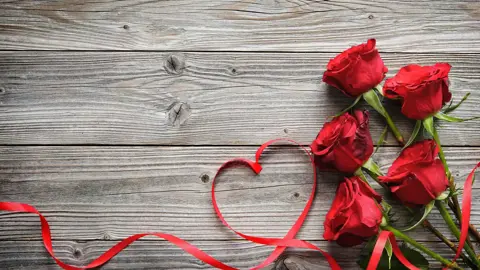
As the demand for red roses on Valentine's Day increases, British flower expert Elizabeth Hany warned of the environmental impacts associated with them, describing them as one of the most environmentally damaging types of flowers due to their high carbon footprint and reliance on long-distance transportation.
She explained that red roses are not in their natural season in many countries, making their production and transport require greater energy consumption and intensive use of chemicals.
She explained that red roses are not in their natural season in many countries, making their production and transport require greater energy consumption and intensive use of chemicals.
Hidden Environmental Cost Behind Traditional Bouquets
Reports from the Australian Department of Agriculture indicate that Australia imported about 13 million stems of roses during last year's Valentine's Day season, reflecting the extent of reliance on imports to meet high demand.
In this context, Anna Gabor, CEO of Flower Industry Australia, confirmed that interest in local and sustainable flowers has seen significant growth since 2020, noting that about half of the flowers sold in the country are imported, which increases the environmental impact.
Risks of Chemicals and Increased Seasonal Demand
The reports indicated that imported flowers are often treated with pesticides such as "glyphosate" and "methyl bromide," which may raise health concerns for workers and customers.
For his part, Michelle Pavlo, owner of Bush Flowers in Melbourne, explained that the intense demand for red roses on a single day drives the market to rely on imports, as local production cannot meet this high seasonal demand.
Environmentally Friendly Alternatives and New Consumer Trends
Flower experts recommend choosing local and seasonal varieties such as hydrangeas, dahlias, sunflowers, and cosmos, emphasizing that flowers are of higher quality and sustainability when grown in their natural season.
Reports from the Sustainable Floristry Network also pointed out that the use of plastic wraps in flower arrangements contributes to the production of about 500 tons of waste annually, prompting specialists to call for the use of paper or reusable containers.
A Balance Between Romance and Sustainability
Experts believe that choosing local flowers does not diminish the symbolism of love but rather reflects an increasing environmental awareness, as flower bouquets can become a double message of love, combining emotional expression with environmental preservation. Environmental Warnings About Red Roses on Valentine's Day: Calls for Sustainable Alternatives.
Criticism of Red Roses and Their Environmental Impact
As the demand for red roses on Valentine's Day increases, British flower expert Elizabeth Hany warned of the environmental impacts associated with them, describing them as one of the most environmentally damaging types of flowers due to their high carbon footprint and reliance on long-distance transportation.
She explained that red roses are not in their natural season in many countries, making their production and transport require greater energy consumption and intensive use of chemicals.
Hidden Environmental Cost Behind Traditional Bouquets
Reports from the Australian Department of Agriculture indicate that Australia imported about 13 million stems of roses during last year's Valentine's Day season, reflecting the extent of reliance on imports to meet high demand.
In this context, Anna Gabor, CEO of Flower Industry Australia, confirmed that interest in local and sustainable flowers has seen significant growth since 2020, noting that about half of the flowers sold in the country are imported, which increases the environmental impact.
Risks of Chemicals and Increased Seasonal Demand
The reports indicated that imported flowers are often treated with pesticides such as "glyphosate" and "methyl bromide," which may raise health concerns for workers and customers.
For his part, Michelle Pavlo, owner of Bush Flowers in Melbourne, explained that the intense demand for red roses on a single day drives the market to rely on imports, as local production cannot meet this high seasonal demand.
Environmentally Friendly Alternatives and New Consumer Trends
Flower experts recommend choosing local and seasonal varieties such as hydrangeas, dahlias, sunflowers, and cosmos, emphasizing that flowers are of higher quality and sustainability when grown in their natural season.
Reports from the Sustainable Floristry Network also pointed out that the use of plastic wraps in flower arrangements contributes to the production of about 500 tons of waste annually, prompting specialists to call for the use of paper or reusable containers.
A Balance Between Romance and Sustainability
Experts believe that choosing local flowers does not diminish the symbolism of love but rather reflects an increasing environmental awareness, as flower bouquets can become a double message of love, combining emotional expression with environmental preservation.

