"Oil for Influence": Russia Dominates Energy Supplies to Post-Assad Syria Amid Political Challenges
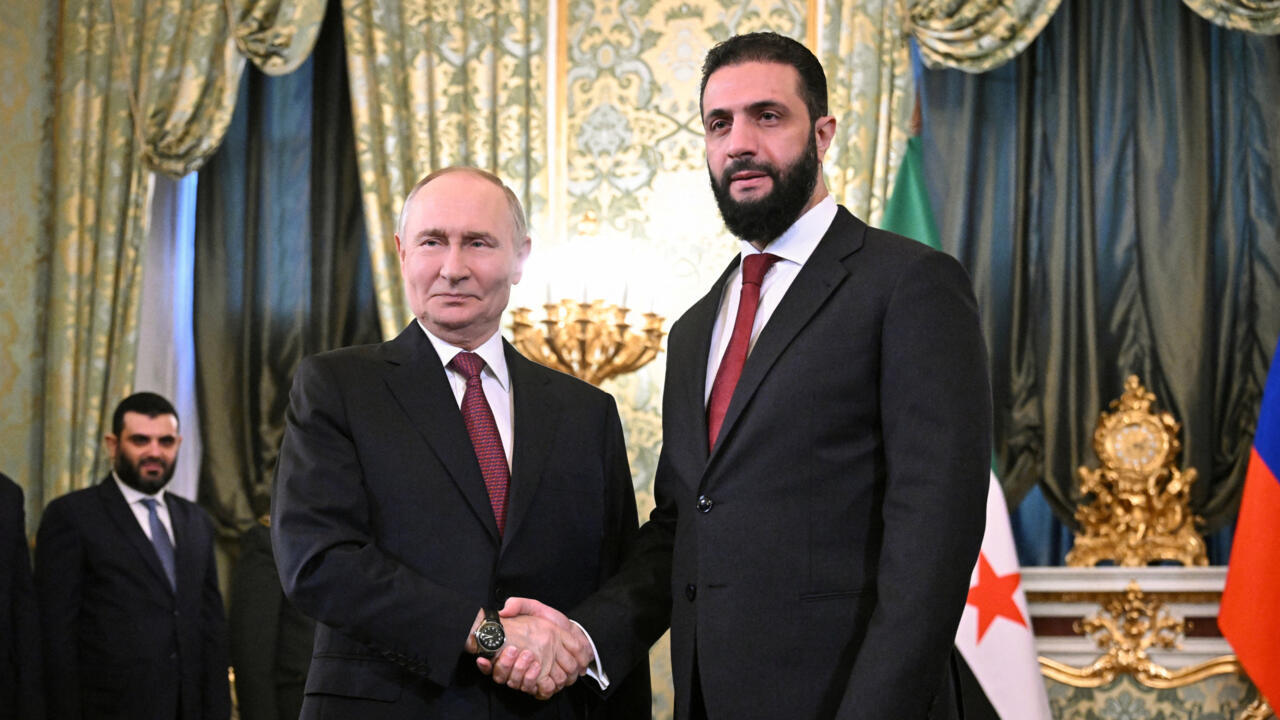
Russian Exploitation of the Energy "Bottle Neck"
Russia benefits from its existing infrastructure, especially in Syrian ports, to secure oil flows amid the "chaos" described by President Trump in Iran and the maritime blockade imposed on Tehran. Analysts believe that Russia is using "energy as a weapon" to ensure its influence remains in the new Syria, despite:
- Western Engagement: The new Syrian government's efforts to open diplomatic and economic channels with Europe and the United States.
- Lack of Public Trust: The ongoing public and political rejection of the Russian role due to its long military history in supporting the previous regime.
The Syrian Economy.. Between the Hammer of Need and the Anvil of Influence
The new government in Damascus finds itself compelled to deal with the "Russian offer" to avoid a collapse of the electricity and transport sectors, especially with the failure of alternative supplies from neighboring countries or from oil fields in the east of the country, which continue to suffer from logistical and security issues. Observers describe this relationship as "desperation deals" that give Moscow a strong leverage in any future negotiations regarding Russian military bases on the Syrian coast.
Implications of the Blockade on Iran
The "very strong" maritime blockade imposed by Washington on Iran in 2026 has cut the "oil credit line" that linked Tehran to Damascus for years. With Washington entering into an "economic wrath" process, Moscow has become the only player able to risk transporting oil shipments through internationally monitored maritime corridors, exploiting its direct military presence in the Mediterranean.