Increase in Swedish Arms Exports to Turkey After Stockholm Joins NATO
April 2, 2026762 ViewsRead Time: 2 Minutes
Font Size
16
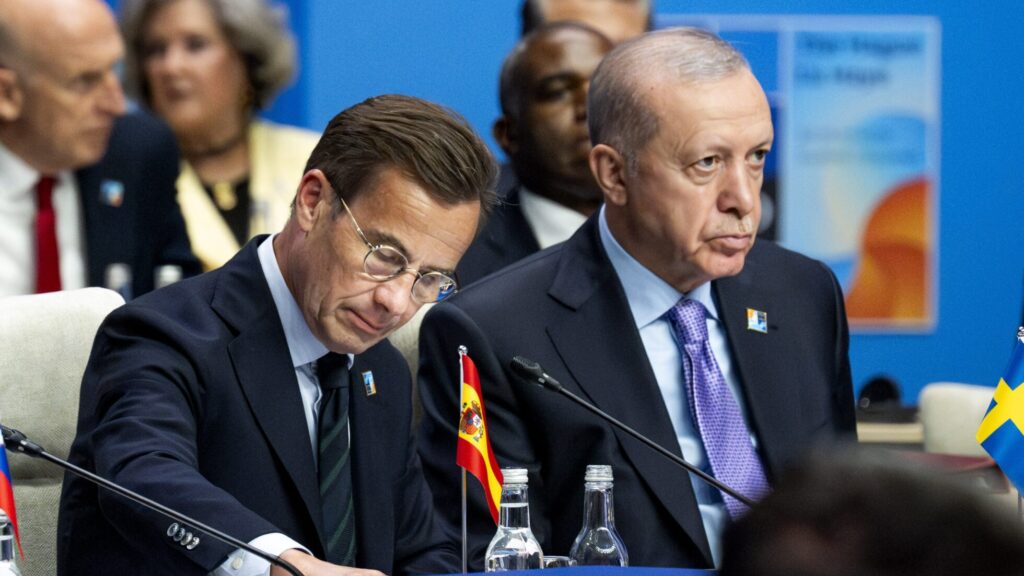
Echo Radio reported today, Thursday, that Swedish arms exports to Turkey have seen a significant increase since Sweden joined the North Atlantic Treaty Organization (NATO), with military equipment rising by 109% in 2025 compared to 2024. Before Sweden joined the alliance, Stockholm did not export any weapons to Ankara.
Legal Oversight of Arms Exports
The Strategic Products Inspection Authority (ISP), responsible for monitoring arms exports in Sweden, indicated that there is no European ban preventing the sale of arms to Turkey, legally allowing these exports.
European Security as a Priority
Paul Levin, director of the Turkish Studies Institute at Stockholm University, stated that security issues have become a priority in Europe, especially after the outbreak of the war in Ukraine, which explains Sweden's trend towards enhancing military cooperation with Ankara.
Strengthening NATO Cohesion
This rapprochement is part of broader efforts within NATO to strengthen its internal cohesion in the face of increasing security challenges. Turkey is considered a key player within the alliance, giving it political weight in expansion issues and negotiations, including lifting restrictions on arms exports to its territory.
Turkey's Demands and Sweden's Role
Ankara had conditioned the lifting of the arms embargo as one of its main demands for agreeing to Sweden's NATO membership, which the Swedish government responded to early on. Despite Turkey's previous opposition to Stockholm and Helsinki joining the alliance on the grounds of their support for the Kurdistan Workers' Party and the Gülen movement, the outbreak of the Russian-Ukrainian war accelerated the accession process, especially for Finland, which shares a long border with Russia.
Revising European Priorities
Observers believe that the current development reflects a rearrangement of political priorities within Europe, with an increasing need to maintain unity of positions within NATO, even at the expense of reducing criticism of some partners.