Gas Prices Ignite Inflation in America, Reaching Highest Level in 4 Years
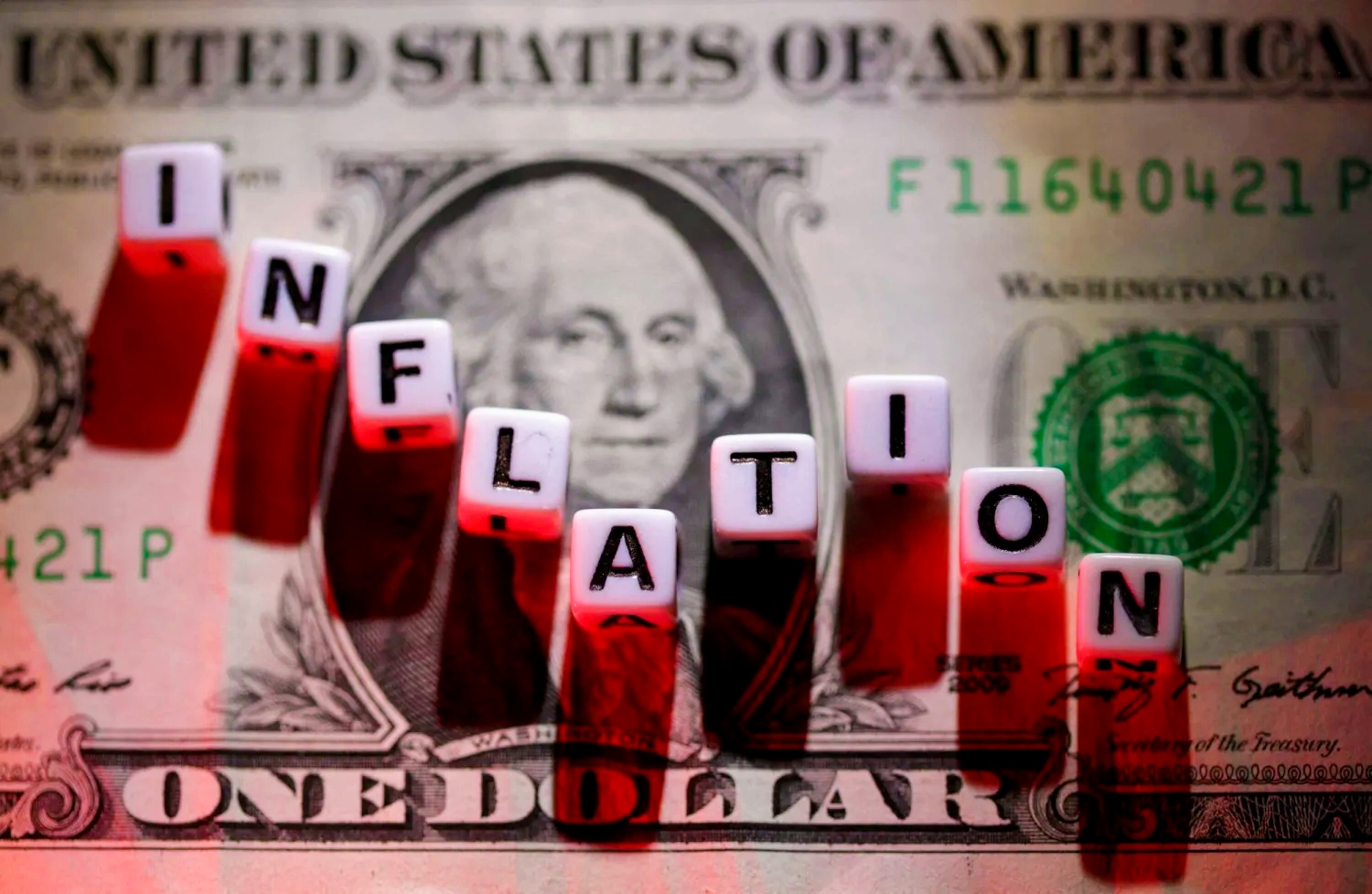
Inflation in the United States Reaches Highest Level in 4 Years
Inflation rates in the United States recorded a significant increase in March 2026, reaching 3.3% year-on-year, the highest level in four years, compared to 2.4% in February, according to data from the "U.S. Department of Labor".
This increase reflects a clear acceleration in the pace of inflation after a period of relative slowdown.
Energy Prices Lead Inflation Surge with a 10.9% Increase
The rise in inflation was primarily driven by a sharp increase in energy prices, which rose by 10.9%, marking the largest jump since 2005.
This is attributed to the repercussions of the war in Iran, which directly impacted global energy markets.
Gasoline Prices Surge by 21.2%, Pressuring Overall Prices
Gasoline prices were the most significant factor in the rise of inflation, jumping by 21.2% in March, according to data from the U.S. Bureau of Labor Statistics.
This increase alone contributed to nearly three-quarters of the monthly rise in the price index, reflecting the substantial impact of fuel prices on the economy.
Monthly Inflation Increase of 0.9% is the Largest in Years
On a monthly basis, the Consumer Price Index rose by 0.9% in March, the largest increase in nearly four years, according to the "Associated Press".
This rise confirms the acceleration of inflationary pressures in recent times.
Core Inflation Stabilizes at 2.6% with Limited Impact from Other Sectors
The core inflation rate, which excludes food and energy prices, stood at about 2.6% year-on-year compared to 2.5% in February, while it recorded a slight monthly increase of 0.2%.
This indicates that the impact of the energy price shock has not yet broadly extended to other sectors.
The War in Iran Alters Inflation Trajectory Away from Federal Reserve Target
The energy price shock resulting from the war in Iran has shifted the inflation trajectory from gradual decline to sharp increase, moving it away from the U.S. Federal Reserve's target of 2%.
Additionally, rising fuel prices directly affect consumer confidence and the overall economic mood.
Expectations of Delaying Interest Rate Cuts Due to Inflationary Pressures
In light of these developments, the Federal Reserve is likely to delay any decision to cut interest rates for several months, especially with ongoing pressures from rising energy costs.
Reopening the Strait of Hormuz Could Pave the Way for Future Inflation Decline
Conversely, White House economic advisor Kevin Hassett noted that reopening the Strait of Hormuz could lead to a rapid decline in energy prices, contributing to a reduction in inflation.
Strong Expectations for Interest Rate Cuts with Declining Energy Prices
Hassett stated in remarks to "Fox Business" that falling energy prices will exert downward pressure on inflation, potentially enhancing the Federal Reserve's chances of cutting interest rates later, as economic forecasts improve.