The Secret to Youthful Skin After 25: Daily Steps to Protect Collagen
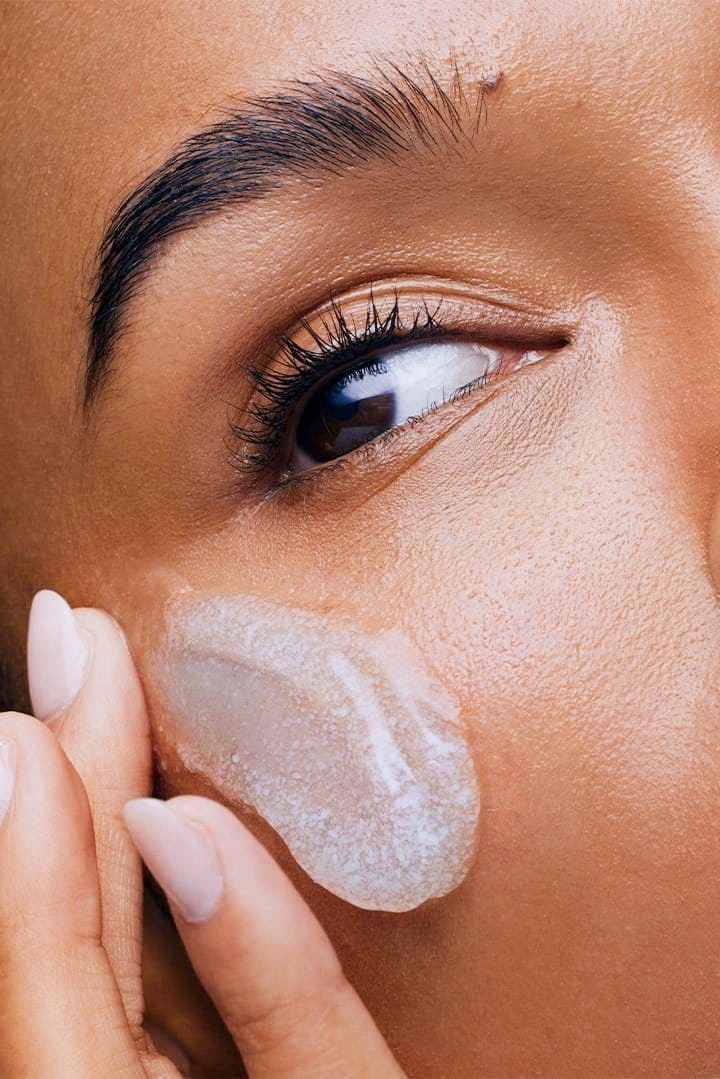
Why Does Collagen Start to Decrease After Age 25?
Upon reaching the age of twenty-five, the skin enters a new phase that does not show immediate effects, but occurs deeply within the skin.
At this age, the body begins to lose about 1% of its natural ability to produce collagen each year, which is the protein responsible for skin firmness, elasticity, and fullness.
Over time, this decline gradually appears as fine lines, a decrease in radiance, and loss of firmness.
However, this process can be significantly slowed down through a smart lifestyle and daily care.
Sun Protection: The Most Important Step to Preserve Collagen
UV rays are the number one enemy of collagen;
daily exposure to the sun—even indoors near windows—contributes to the breakdown of collagen fibers and increases oxidative stress in the skin.
Therefore, using a sunscreen with a protection factor of at least SPF30 is a basic daily step, with the necessity to reapply it every two hours when exposed to direct sunlight.
This habit alone makes a significant difference in maintaining youthful skin.
Vitamin C: The Golden Element to Stimulate Collagen
The body cannot produce collagen efficiently without vitamin C, as it is essential for forming strong and flexible fibers.
Using Vitamin C serum in the morning helps to:
- Reduce the effects of free radicals
- Enhance skin radiance
- Support natural collagen production
Additionally, consuming citrus fruits, kiwi, strawberries, and bell peppers supports the skin from within.
Protein: The Foundation for Building Collagen
Collagen is a type of protein, so the body needs sufficient amino acids to produce it.
The best sources of collagen support include:
- Eggs
- Fish
- Chicken
- Yogurt and labneh
- Legumes
Bone broth or hydrolyzed collagen supplements can also help within a balanced diet.
Retinol: A Skin Renewal Stimulator
Retinol is one of the most studied powerful ingredients for stimulating collagen production.
Its benefits include:
- Enhancing cell renewal
- Supporting skin fibers
- Improving skin texture
However, it should be used with caution:
- Start with a low concentration
- Use only at night
- With good hydration
- With adherence to sunscreen in the morning
Excess Sugar: The Silent Enemy of Collagen
Excessive sugar intake leads to a process known as “glycation,” where sugar binds to collagen and elastin fibers, making them stiffer and less elastic.
Reducing:
- Sweets
- Sodas
- Processed sugars
Directly helps in maintaining skin elasticity.
Sleep: The Time for Natural Collagen Repair
During deep sleep, the body enters a phase of repair and renewal of tissues, including the skin.
Lack of sleep leads to:
- Increased cortisol hormone
- Accelerated collagen breakdown
- Increased inflammation
Therefore, sleeping 7 to 8 hours daily is essential for maintaining youthful skin.
Exercise: Supporting Circulation and Skin Renewal
Moderate physical activity such as walking or resistance training:
- Improves circulation
- Increases oxygen supply to the skin
- Reduces stress
- Supports cell renewal
This directly reflects on skin freshness.
Hydration: From the Inside and Out
Dehydration makes the skin look more tired and clearly shows fine lines.
Therefore, it is essential to:
- Drink water regularly
- Use moisturizers containing hyaluronic acid or ceramides
This helps maintain skin elasticity and a healthy environment for collagen.
Conclusion: Collagen is a Lifestyle, Not Just One Product
Maintaining skin collagen after age 25 does not rely on a single product, but on a set of daily habits that include sun protection, proper nutrition, good sleep, reducing sugar, and continuous hydration.
These combined habits are what truly make a difference in delaying signs of aging and maintaining healthy, firm skin.