Behind the Major Deal: How Mojtaba Khamenei Imposed a Path to De-escalation on Trump at a Critical Moment?
April 8, 20261011 ViewsRead Time: 3 Minutes
Font Size
16
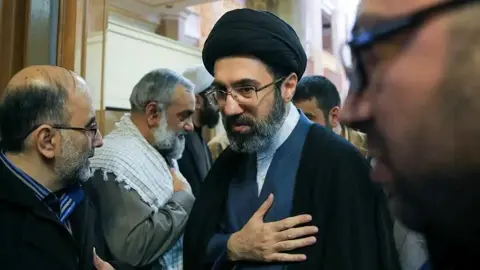
At a moment when the region seemed on the brink of widespread explosion, Mojtaba Khamenei's decision emerged as a decisive factor that changed the course of events. The agreement to push negotiators toward a deal was not merely a tactical step but reflected a calculated shift in Tehran's approach, from open confrontation to managing conflict through temporary de-escalation.
Between Public Escalation and Secret Negotiation: The Dual Approach of the Trump Administration
Despite Donald Trump's threats of "total annihilation," data reveals that Washington was managing two parallel tracks: a media escalation to raise the pressure ceiling, alongside quiet negotiations aimed at extracting concessions. This duality is not new, but it reached its peak during this crisis.
Time as a Pressure Tool: An American Deadline That Almost Turned into War
The deadline set by the United States was not merely a timeframe but an extreme pressure tool. The approach of its end coincided with actual military preparations, placing Tehran before two options: an uncertain military confrontation or acceptance of a temporary settlement under relatively harsh conditions.
Negotiation Chaos: Why Did Washington Reject the Initial Iranian Proposal?
The description by American envoy Steve Wittekov of the Iranian proposal as "catastrophic" reveals the extent of the gap between the two sides. However, this chaos was not entirely random; rather, it represented a phase of mutual pressure, where each side sought to improve its terms in the final moments.
The Role of Intermediaries: A Regional Network That Saved the Negotiation Process
Intermediation played a pivotal role, as Pakistan, along with Egypt and Turkey, became effective communication channels between Washington and Tehran. Additionally, the movements of Iranian Foreign Minister Abbas Araghchi internally, especially with the Revolutionary Guard, were essential to ensure the security establishment's acceptance of the agreement.
Leadership Under Threat: Khamenei Between Security Risks and Political Decision
What is striking in the scene is that Khamenei's intervention came amid threats of assassination, reflecting the sensitivity of the moment. Nevertheless, he chose direct engagement, indicating the Iranian leadership's awareness that the cost of escalation could outweigh potential gains.
Two-Week Ceasefire: A Tactical Break or the Beginning of a New Path?
The agreement on a two-week ceasefire raises a fundamental question: Is it merely a “breather,” or the beginning of a longer negotiation path? Previous experiences suggest that such ceasefires are often tests of intent rather than final solutions.
Israel and the Nuclear File: Deferred Conditions at the Heart of the Crisis
On the other hand, Benjamin Netanyahu received American guarantees that any future agreement would include the reduction of the Iranian nuclear program. This means that core issues have not been resolved but postponed to later negotiation rounds.
Who Won the First Round?
It can be said that all parties achieved partial gains:
Washington avoided a costly war while maintaining pressure.
Tehran gained valuable time and reduced the risk of military strike.
The intermediaries strengthened their regional role.
However, on the other hand, no fundamental issues were resolved, making this deal closer to “crisis management” than a final solution.