The White House Resolves the Controversy: Trump Did Not Set a Deadline for Ceasefire with Iran
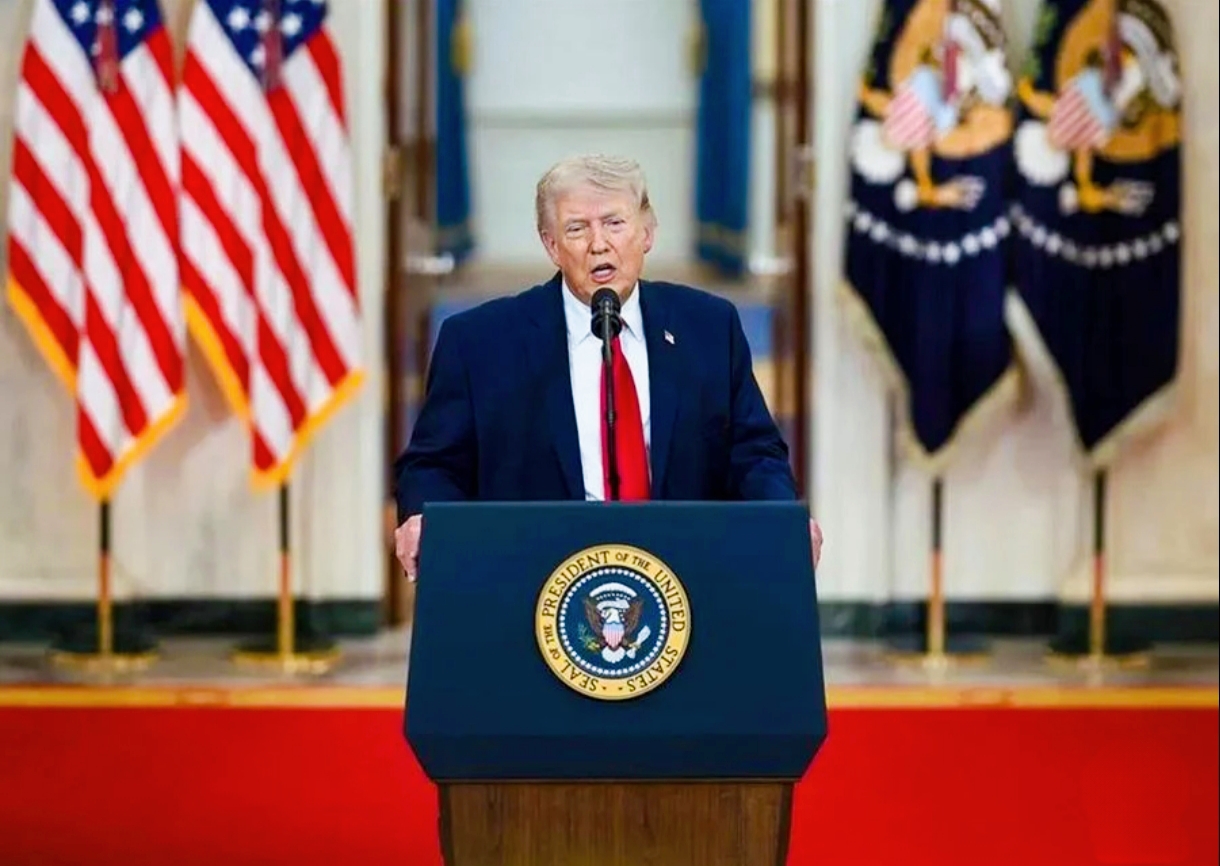
Official Confirmation from the White House: No Final Deadline for Ceasefire with Iran
The White House announced that U.S. President Donald Trump did not set any timeline to end the ceasefire with Iran, nor did he establish a deadline for an Iranian proposal regarding the end of the war.
White House spokesperson Caroline Levitt confirmed that the president is waiting for a "unified response" from the Iranian leadership, noting that the timeline for the next steps will be determined by Trump as the Commander-in-Chief of the Armed Forces.
Levitt's Statements: No Final Deadline and Trump Demands a Unified Iranian Response
White House spokesperson Caroline Levitt stated that reports mentioning a timeline are inaccurate, clarifying that the U.S. president did not set any official deadline for Iran.
She added that the U.S. administration wants to see a "unified" Iranian stance before proceeding with any negotiation path to end the fighting, emphasizing that the final decision regarding timing remains with President Trump.
Trump: Possibility of Negotiations Within 72 Hours but No Decision Made
Trump had previously stated to the "New York Post" that holding negotiations with Iran within a period ranging from 36 to 72 hours is "possible".
Fox News reported Levitt stating that Washington is seeking a unified response from the Iranian side before entering into any new agreements or negotiation steps.
Washington: Ship Seizures Not a Violation and Accusations of Piracy
The White House spokesperson clarified that the United States does not consider Iran's seizure of two container ships a violation of the ceasefire, as the ships are neither American nor Israeli.
She also stated that Iran "does not control the Strait of Hormuz," referring to the Strait of Hormuz, adding that what is happening is viewed in Washington as "acts of piracy."
In a related context, Levitt emphasized that Iran is required to hand over enriched uranium to the United States as part of the negotiations.
Iran's Position: Strait of Hormuz Closed and Accusations of Ceasefire Violation
For its part, Iran announced that reopening the Strait of Hormuz is "impossible" under what it describes as the ongoing U.S. blockade on its ports, accusing Washington of violating the ceasefire agreement despite its unilateral extension by Trump.
Tehran asserts that U.S. actions are escalating tensions in the strategic maritime region.
Maritime Escalation: Seizure of Container Ships in the Strait
Amid escalating tensions, the Iranian Revolutionary Guard announced the seizure of two container ships while attempting to cross the Strait of Hormuz, further heightening tensions in the vital shipping lane.
This comes as the security situation in the maritime region remains highly sensitive with ongoing mutual accusations between Washington and Tehran.
Political Ambiguity: Possible Extension and Short Negotiation Window
Political reports indicate that the U.S. administration is considering granting Iran a short window of time ranging from 3 to 5 days to present a unified proposal, despite the official denial of a specific deadline.
According to media leaks, there is a division within the Iranian system between hardliners and pragmatists regarding negotiations, especially concerning the nuclear program.
Reports also indicated that an initial round of talks was held in Islamabad without results, while a second round was expected to take place later amid ongoing political and security tensions.
Summary of the Scene
The developments show that the situation between Washington and Tehran remains unresolved, with:
- U.S. denial of the existence of an official deadline
- Political pressure for a unified Iranian response
- Maritime escalation in the Strait of Hormuz
- Internal disagreements within Iran
- And stalled negotiation processes so far
The overall scene indicates a phase of "conditional calm" rather than a stable ceasefire.