A Tough Year for the US Dollar: The Dollar Bids Farewell to 2025 with the Biggest Annual Loss in 8 Years
January 1, 20261868 ViewsRead Time: 3 Minutes
Font Size
16
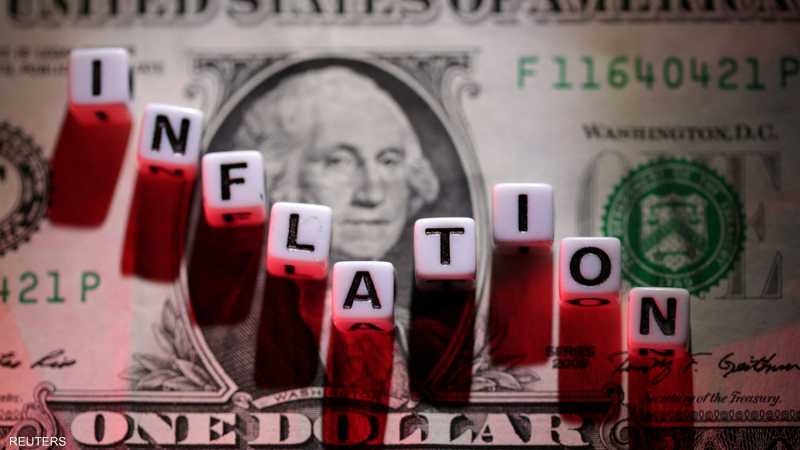
The US dollar concluded 2025 on one of its worst notes in recent years, recording its largest annual drop in 8 years, in a development that reflects a clear shift in global market sentiment and investor expectations for the upcoming phase.
Bets have increased on the continued decline of the US currency, amid monetary and political changes looming on the horizon with potential changes within the Federal Reserve.
Figures Reveal the Extent of the Decline
According to market data, the Bloomberg Dollar Index fell by about 8% during 2025, while the dollar failed to recover its losses incurred since last spring, despite some limited attempts at rebound.
This decline followed a sharp drop after President Donald Trump's administration began implementing tariffs in April, in what was publicly referred to as "Liberation Day," leaving the effects of that step present until the end of the year.
The Federal Reserve at the Heart of the Scene
Analysts believe that the Federal Reserve's policy will be the decisive factor in determining the dollar's path in the upcoming period, especially with the end of Chairman Jerome Powell's term approaching next year.
Yosuke Miyairi, a currency market analyst at "Nomura," stated that markets are not only awaiting interest rate decisions in the January and March meetings but are also focusing more on the identity of Powell's successor, amid expectations that Trump will choose a Fed chair who leans towards a more accommodative approach and deeper interest rate cuts.
Will Weakness Continue into 2026?
Estimates suggest that the dollar may continue its weakness in January, before the pace of decline slows in the following months, according to currency market traders' forecasts.
However, uncertainty remains dominant, amid anticipation of new monetary policies and the direction of the upcoming US administration.
Currencies Benefiting from the Dollar's Decline
In contrast, other currencies have seen notable gains against the dollar, most prominently the euro, which benefited from reduced inflationary pressures and expectations of increased defense spending in Europe, thereby reducing the chances of interest rate cuts within the Eurozone.
Additionally, expectations of central banks in Canada, Sweden, and Australia raising interest rates have strengthened their currencies against the dollar.
Positive Data Did Not Change the Trend
Despite the release of positive US data showing a decline in unemployment claims to one of its lowest levels this year, the dollar did not succeed in changing its overall trajectory.
The dollar index remained relatively stable in the last sessions of the year, after a slight increase of 0.2%, but ended December with a decline of 1.2%, confirming that the fundamental pressures on the US currency are still present.