Warnings from the World's Largest Bank: Iran's War Shakes Oil and Commodity Markets and Threatens the Global Economy
April 6, 2026611 ViewsRead Time: 2 Minutes
Font Size
16
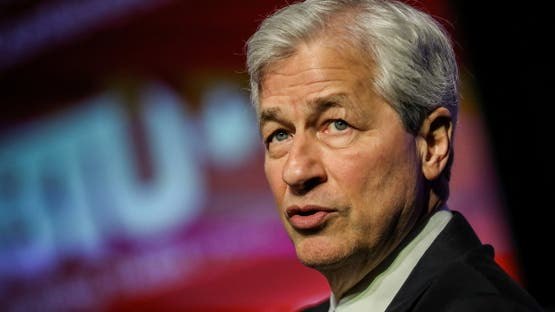
Jamie Dimon, the CEO of JPMorgan Chase, warned that the escalation of the war in Iran could lead to significant shocks in oil and commodity prices, putting the global economy at real risk.
Dimon confirmed that supply disruptions and supply chains could drive prices sharply higher, increasing pressure on global financial markets.
Rising Inflation and Interest Rates: Is the World Facing an Economic Shock Wave?
According to Dimon, any sudden increase in oil prices will directly lead to rising inflation, which may force central banks to raise interest rates for longer periods.
This could result in:
Slowing economic growth
Increased borrowing costs for individuals and businesses
Growing Pressures on Financial Markets
Geopolitical tensions are the biggest threat to the global economy
In his annual letter to shareholders, Dimon classified wars in Ukraine and the Middle East, especially Iran, as the most significant risks threatening market stability.
He described the situation as "filled with uncertainty," making it difficult to predict the developments and their impact on the global economy.
Rearranging Global Economic Relations
Dimon noted that U.S. trade policies, especially during Donald Trump's presidency, have led to a reshaping of global economic relations.
These transformations include:
Changes in international supply chains
Restructuring of trade partnerships
Rising protectionism in some markets
Artificial Intelligence: A Revolutionary Economic Opportunity Amid Tensions
Dimon confirmed that artificial intelligence will bring about fundamental shifts in the economy, but he pointed out the difficulty in identifying the winners and losers in related industries so far.
He explained that JPMorgan Chase has already begun restructuring jobs in line with technological changes to ensure the best service for clients and employees.
Private Credit Markets and Financial System Vulnerabilities
Dimon highlighted the fragility of private credit markets, warning of a lack of transparency and inaccurate loan assessments, which could lead to a wave of capital withdrawals if risks increase.
He also criticized some current banking regulations, considering them:
Complex and costly
Reducing the efficiency of the financial system
Limiting productive lending