Vitamin B3 for Hair: The Unknown Supplement That Restores Its Vitality
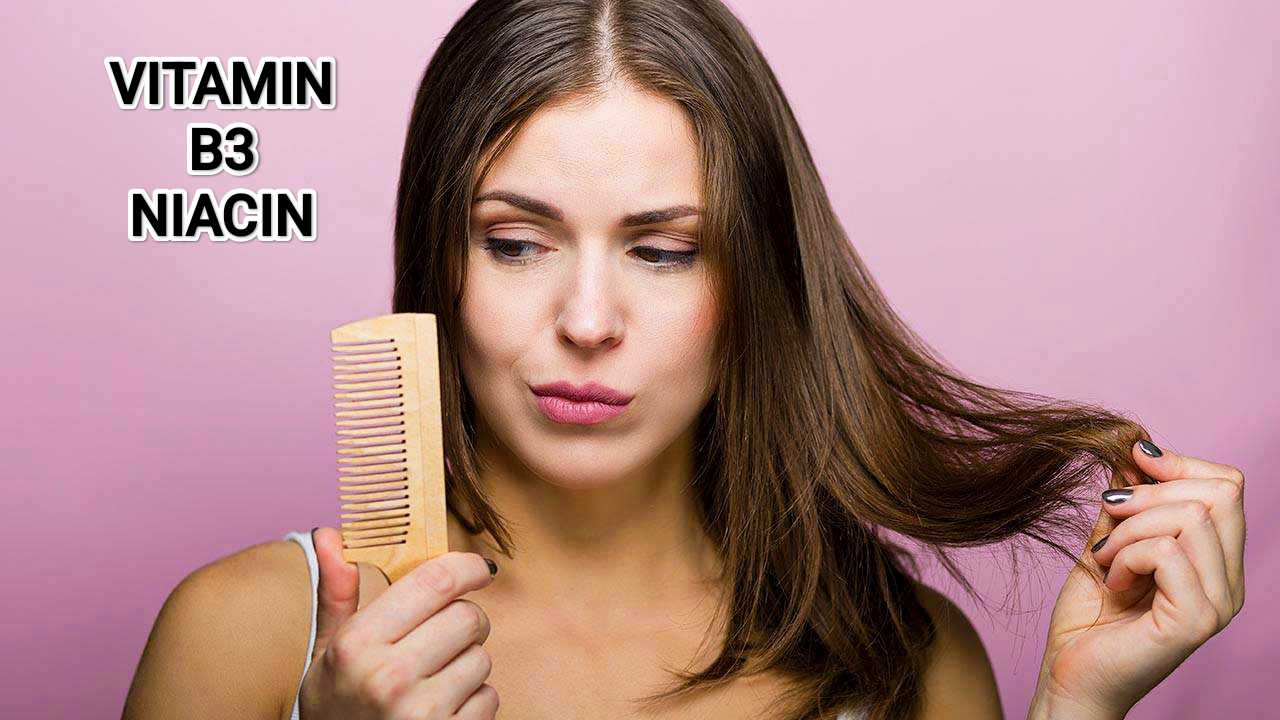
Maintaining healthy and thick hair is a common dream for many women, who seek every possible means to achieve it: from natural oil baths, peptide serums, to LED light helmets and dietary supplements like biotin and zinc.
However, there is a very important vitamin for hair that is often overlooked:
Vitamin B3, known as niacin, plays a crucial role in the health of hair and the scalp.
* Properties and Benefits of Vitamin B3
Vitamin B3 belongs to the B vitamin group and primarily contributes to energy production from food, supporting the health of skin, hair, the nervous system, and the digestive system.
This vitamin is available in three forms, each with specific benefits:
• Niacin: Improves blood circulation and enhances nutrient delivery to hair follicles, helps lower bad cholesterol and raise good cholesterol, and is the most effective in stimulating hair growth.
• Niacinamide: Used in skincare products to protect the skin barrier and resist signs of aging, niacin helps improve hair follicle activity but does not affect cholesterol.
• Inositol Hexanicotinate: A form of niacin that provides its benefits without causing redness or skin irritation.
* How Does B3 Support Hair Growth?
Niacin enhances blood circulation to the scalp, allowing more oxygen and nutrients to reach the hair follicles.
It also contributes to the generation of cellular energy necessary for faster follicle growth.
• Stimulates hair growth, increases density, and reduces shedding.
• Extends the active growth phase of the hair and delays the regression phase, maintaining hair density.
• Stimulates keratin production, the essential component of the hair shaft up to 98%, making hair strong and flexible.
• Supports the scalp barrier, maintaining moisture and protecting against dryness that may cause hair thinning.
* Signs of Vitamin B3 Deficiency
Severe deficiency is rare, but even slight decreases can lead to:
• Increased hair shedding and the appearance of extensive alopecia.
• Dryness and brittleness of hair.
• Dry scalp and the appearance of dandruff.
* Ways to Compensate for Deficiency
Levels of B3 can be increased in several ways:
_ Foods rich in niacin: Such as fish, poultry, veal, nuts, legumes, and whole grains.
_ Topical products: Serums and shampoos enriched with niacinamide that work on the scalp to improve its barrier, hydrate it, and regulate oil secretion.
_ Dietary supplements: B3 supplements boost vitamin levels in the body.
Dosages vary by individual, so it is advisable to consult a doctor or pharmacist, and treatment usually lasts at least 3 months.
Vitamin B3 is not just an ordinary dietary supplement; it is a vital element that maintains the health and strength of your hair from roots to tips, and deserves to be part of your hair care routine.

