Venezuela Between Oil and Poverty: How Did Wealth Drown the Country in Crisis?
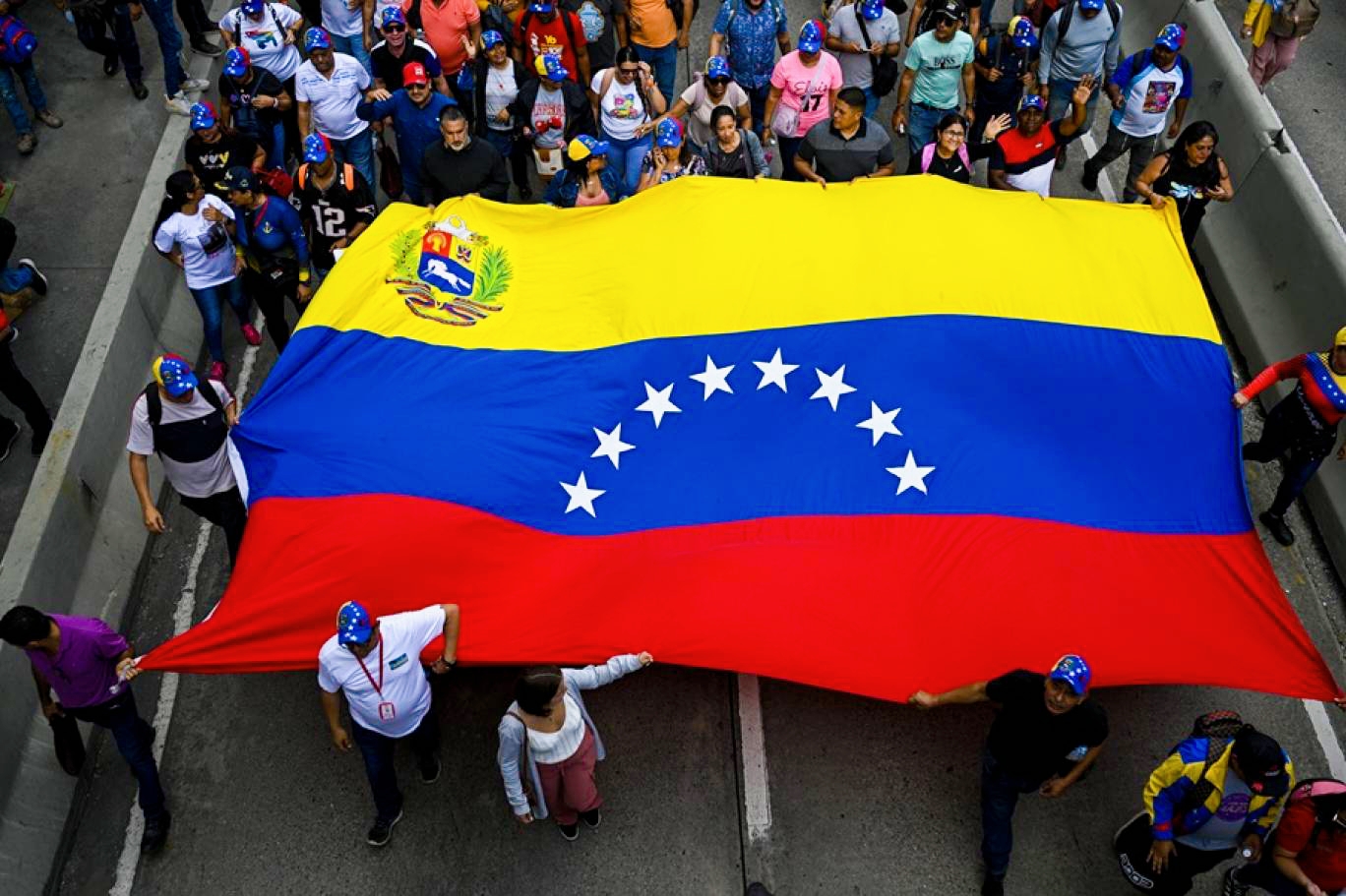
Despite standing on a huge natural treasure considered the largest in the world, Venezuela continues to drown in an economic and humanitarian crisis that is among the worst in Latin America's history.
The country, which has the largest proven oil reserves in the world (over 300 billion barrels), is currently facing massive inflation, mass migration, and a near-total collapse of essential services.
The puzzling question remains: How can this vast wealth not save the country?
* Oil... A Wealth Turned Burden
For decades, the Venezuelan economy has relied almost entirely on oil, with revenues accounting for more than 90% of the country's exports.
This excessive dependence has made Venezuela vulnerable to fluctuations in global energy prices.
When oil prices collapsed in 2014, the country received a severe blow, losing its primary source of income, while its public institutions, led by the state oil company "PDVSA," were exhausted due to decades of corruption and mismanagement.
Despite this crisis, successive governments, especially during the eras of Hugo Chavez and Nicolas Maduro, clung to an economic model reliant on oil to fund social programs and extensive subsidies, a system that collapsed as soon as international conditions changed.
* U.S. Sanctions Make Matters Worse
Since 2017, the United States and its allies have imposed strict sanctions on the Venezuelan government and the oil sector.
These sanctions limited the country's ability to sell its oil freely, reduced foreign investment, and prevented the national company from obtaining spare parts and essential production technologies.
However, some economists believe the crisis began before the sanctions, due to the collapse of the productive infrastructure caused by corruption, the politicization of the oil sector, the appointment of loyalists to key technical positions, and the lack of maintenance and investment.
* Mutual Accusations
The opposition accuses Maduro's government of direct responsibility for the economic collapse, describing the regime as "dictatorial" and relying on security forces to suppress protests, while the government accuses the opposition of attempting to overthrow it through Washington.
The opposition points to widespread corruption within the national oil company and mismanagement that led to a decline in production from over 3 million barrels per day in 1998 to less than 800,000 today, in addition to electricity and water crises resulting from a lack of maintenance and uncontrolled money printing that led to astronomical inflation.
In contrast, the government accuses the opposition of using sanctions to hold the authority responsible for external actions aimed at "suffocating the country economically."
* Five Main Reasons for the Crisis
Experts confirm that there are five key factors that led to the Venezuelan crisis:
1 _ Total dependence on oil: The absence of strong industries or economic alternatives created what is known as the "resource curse."
2 _ Lack of professional management: A decline in investment in equipment and technology, and the replacement of specialists with political loyalists.
3 _ Corruption and mismanagement: Losses in the oil sector are estimated in billions of dollars annually.
4 _ International sanctions: Restricted oil exports and prevented access to global markets, disrupting technical partnerships.
5 _ Brain drain: More than 7 million Venezuelans have left the country, including engineers and essential technicians for the continuation of the oil industry.
As a result, food and medicine shortages have become severe, electricity and water have been cut off, and migration has increased.
The minimum wage is not enough to buy a kilogram of meat, while the majority of the population relies on remittances from abroad.
* Is There Hope?
The answer is not impossible, but it is complex.
Experts believe that Venezuela needs massive investments to revive the oil sector that could reach $200 billion, political openness to ease sanctions and bring back global companies, in addition to diversifying the economy through the development of agriculture, industry, and tourism, as well as structural reforms and anti-corruption measures.
Until then, Venezuela will remain a stark example of a country with immense wealth, yet facing one of the most complex contemporary crises due to the absence of sustainable economic and political policies.