Unprecedented escalation between Tehran and Ottawa.. Iran classifies the Canadian Navy as a 'terrorist organization'
December 30, 2025294 ViewsRead Time: 2 minutes
Font Size:
16
In a new escalation of strained relations, Iran announced the inclusion of the Royal Canadian Navy on the lists of 'terrorist organizations', in direct response to Canada's decision to classify the Iranian Revolutionary Guard as a terrorist organization in 2024.
The step reflects the transition of the dispute between the two countries from political rhetoric to formal legal and security measures.
Tehran: Canada's decision violates international law
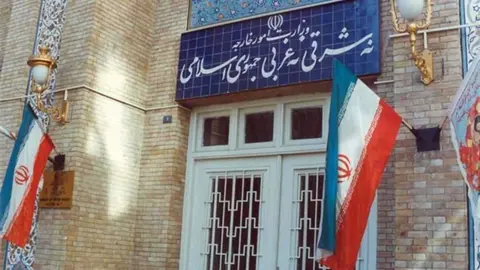
The Iranian Foreign Ministry stated in an official statement that this action came in response to what it described as an 'illegal step' taken by Ottawa against the Revolutionary Guard, considering that the Canadian classification 'contradicts the fundamental principles of international law'. The statement emphasized that Iran will not stand idly by in the face of what it considers targeting its sovereign institutions.
Reciprocal treatment… the legal basis for the decision
The Iranian Foreign Ministry clarified that the classification of the Canadian Navy is based on the law of 'reciprocal action against the U.S. declaration of the Revolutionary Guard as a terrorist organization', which was approved by the Iranian parliament in 2019.
Based on this law, Tehran announced that the Royal Canadian Navy is now subject to its provisions and has been officially classified as a 'terrorist organization' under the principle of reciprocity.
Background of the decision: A Canadian step that ignited the crisis
The Canadian government had included the Iranian Revolutionary Guard on the list of terrorist organizations in June 2024, coinciding with the escalation of diplomatic tensions between the two countries, and calls were made for Canadian citizens to leave Iran.
Ottawa justified the decision at that time by citing Tehran's regional behavior and its human rights record.
Direct Canadian accusations against Iran
Canadian Public Safety Minister Dominic LeBlanc stated that the classification of the Revolutionary Guard came due to 'the Iranian regime's support for terrorism, the ongoing disregard for human rights inside and outside Iran, in addition to the readiness to destabilize the international legal order'.
Open confrontation with no signs of de-escalation
Observers believe that the inclusion of the Canadian Navy on the terrorism lists represents a rare precedent in international relations, reflecting the depth of the crisis between the two countries, amid a lack of indicators for a near de-escalation, given the overlap of security, political, and human rights issues along the Tehran-Ottawa line.


