The U.S. Supreme Court Decides the Fate of Hundreds of Thousands of Syrian and Haitian Immigrants Facing the Trump Administration
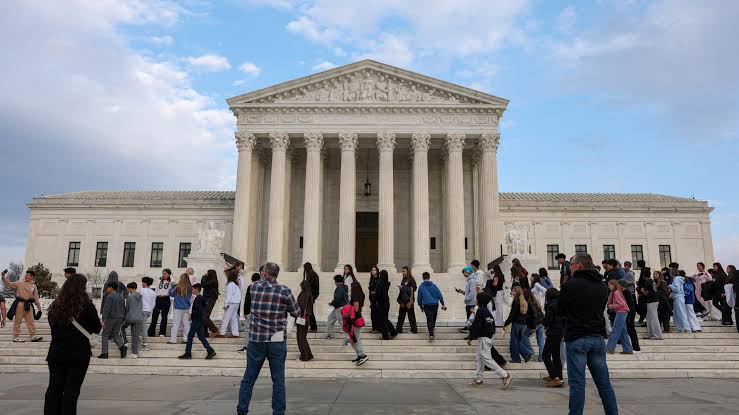
Class Action: Is "Ending Protection" Just a Pretext?
The case is based on a class action lawsuit filed by groups of TPS recipients, arguing that Trump's administration's decisions to end their humanitarian classifications were not based on a real improvement in security conditions in their home countries, but were merely a "pretext" to implement a political agenda aimed at reducing the number of legal immigrants and dismantling decades-old protection programs.
Hundreds of Thousands Under Threat of Deportation
All eyes are on the nine Supreme Court justices today, as their decision will either affirm these immigrants' right to stay and work in the United States or open the door to widespread deportation procedures affecting Syrian and Haitian families who have settled in the country for many years. Immigrant lawyers argue that the termination of TPS for Syrians, amid ongoing complexities in their homeland, represents a violation of the spirit of humanitarian law on which the (TPS) program was founded.
Trump's Strict Campaign: National Security First
In contrast, the Justice Department under Trump defends these decisions, arguing that temporary protection is an "extraordinary measure" and not a permanent right to residency, and that the president has full authority to revoke these classifications based on the administration's assessments of national and security interests. Supporters of the administration believe this step is necessary to correct what they describe as "excesses" of previous administrations in the use of immigration programs.
Anticipation in Washington and Inside Syria
This Wednesday represents a pivotal moment for the Syrian community in the United States, as thousands live in a state of anxiety awaiting the court's decision, which will determine whether they can continue their lives in exile or face the risk of forced return. Legal deliberations are expected to continue for weeks before a final ruling is issued, which will have major implications for the future of U.S. immigration policies under a second Trump term.