The U.S. Army Transports a Nuclear Reactor by Air Between Two States in a Historic Move
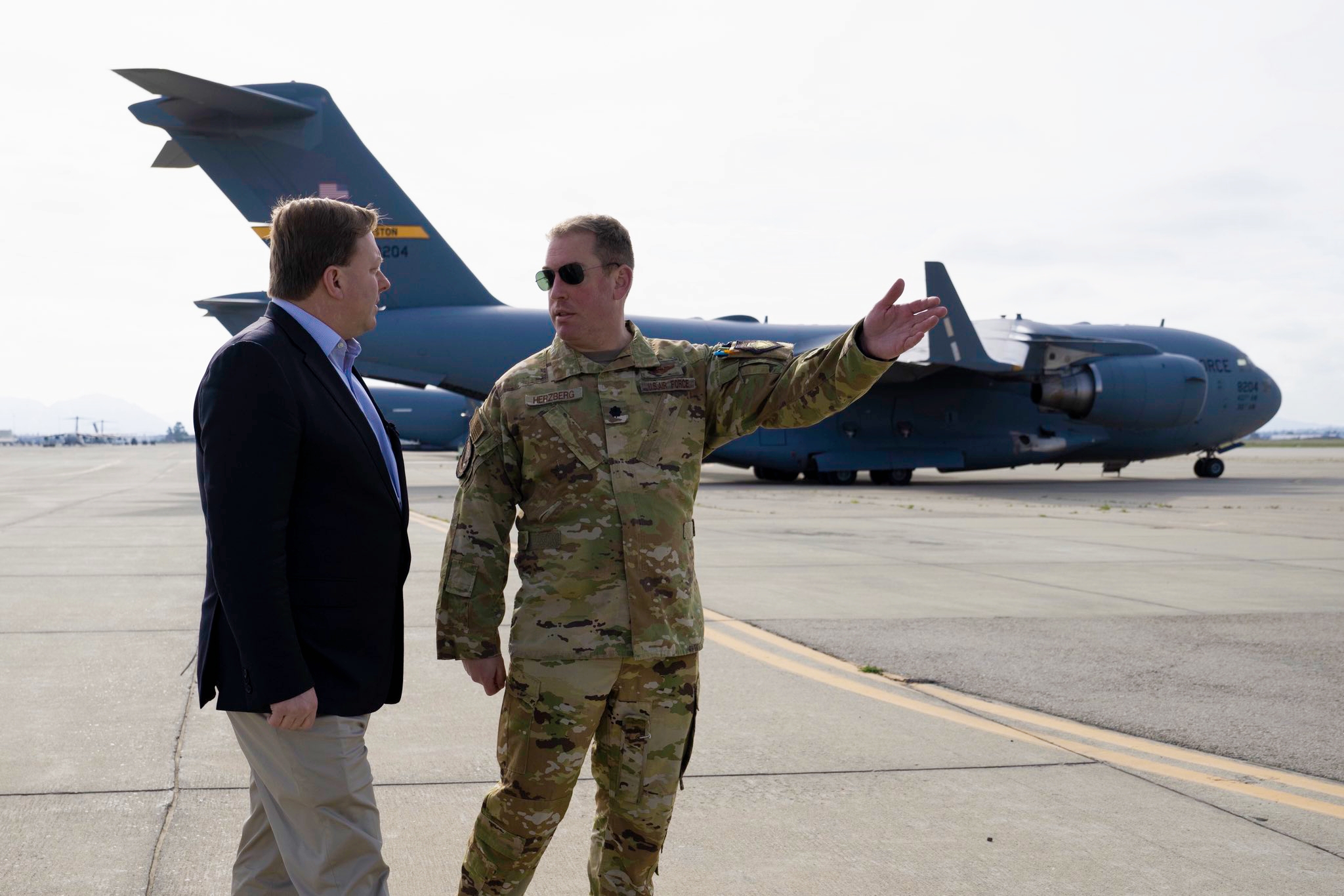
In an extraordinary operation, the U.S. Department of Defense yesterday, Sunday, transported a next-generation nuclear reactor aboard a C_17 aircraft from March Air Reserve Base in California to Hill Air Force Base in Utah, as part of the administration's efforts to enhance nuclear infrastructure and strengthen national security in the United States.
The department explained that the reactor will later be transported to the "San Rafael" energy laboratory in Orangeville for comprehensive testing and evaluation of its capabilities, a crucial step in measuring the readiness of advanced nuclear systems to support military facilities and defense operations in remote areas.
The Department of Defense posted images on the "X" platform showing the loading of the reactor onto the aircraft, accompanied by the statement: "We are moving forward with the executive order of President Donald Trump regarding nuclear energy... In moments, we will be transporting a next-generation nuclear reactor by air."
The department confirmed that the successful delivery and installation of the reactor will open new horizons for energy resilience and strategic independence in national defense, noting a "flexible, innovative, and commercially-driven approach first" to address critical infrastructure challenges.
In a press statement, the department said:
"By harnessing the power of advanced nuclear technology, we not only enhance our national security but also support a future of American dominance in energy. This event is a testament to the genius of the American spirit and a vital advance in securing the freedom and strength of our nation for future generations."
This transport comes in implementation of executive orders signed by President Trump last May to expand the development of domestic nuclear energy, which aims to reform research and development at the Department of Energy, accelerate reactor testing at national laboratories, and establish a pilot program for new construction operations.
Interior Secretary Doug Burgum confirmed that the United States was a global leader in the nuclear field after World War II, but it has "stumbled under excessive regulatory constraints," while Secretary of Defense Pete Hegseth emphasized that America "will keep the lights on and AI systems running while others stop, thanks to our nuclear capabilities."
The White House noted in the executive order that nuclear energy is "essential for powering next-generation technologies that ensure industrial, digital, and economic dominance, achieving energy independence, and protecting national security," stressing that this effort is part of a broader strategy to enhance domestic energy production and the reliability of the grid across multiple sectors.

