New Political Tension: Moscow Rejects European Accusations Regarding the Death of Russian Opposition Leader Navalny
February 16, 202656 ViewsRead Time: 2 minutes
Font Size:
16
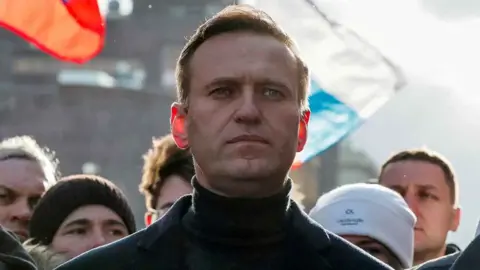
The Kremlin rejected the findings of an investigation conducted by five European countries, which concluded that Russian opposition leader Alexei Navalny died as a result of poisoning while being held in a Siberian prison two years ago, describing those conclusions as inaccurate and lacking evidence.
Russian presidential spokesman Dmitry Peskov stated during a press conference that Moscow rejects the European accusations and considers them biased and not based on scientific or legal grounds.
Russian presidential spokesman Dmitry Peskov stated during a press conference that Moscow rejects the European accusations and considers them biased and not based on scientific or legal grounds.
European Accusations of Using a Rare Toxic Substance
Five European countries, namely the UK, France, Germany, Sweden, and the Netherlands, announced that their investigations found that Navalny was poisoned using a rare chemical substance, based on analyses and specialized tests conducted over the past months.
Navalny's Family Demands Justice
In contrast, Navalny's mother, Lyudmila Navalnaya, called for justice on the second anniversary of her son's death, asserting that the family has been convinced from the beginning that his death was not natural.
She noted that the recent investigations have reinforced the family's belief that Navalny was the victim of an assassination, adding that uncovering those responsible for the incident may take time, but she emphasized the necessity of identifying all those involved.
Political Dispute Deepens Tensions Between Moscow and Europe
This case reflects the ongoing political disputes between Russia and European countries, as the Navalny case is one of the most prominent points of tension between the two sides in recent years, amid international calls for independent investigations into the circumstances of his death.
Ongoing International Interest in the Case
The case continues to attract significant political and media attention, as human rights organizations and Western countries view it as a test of the transparency of the Russian judicial system, while Moscow insists on rejecting the accusations and maintains its official narrative regarding the death of the Russian opposition leader.

