The Strait of Hormuz Could Make Iran the Fourth Global Power
April 20, 20261273 ViewsRead Time: 2 Minutes
Font Size
16
Professor Robert Peeb believes that Iran's control over the Strait of Hormuz could grant it immense economic leverage.
This scenario, according to his estimates, could propel it to become the fourth global power within years, supported by massive financial returns from energy.
Lessons from Vietnam and Afghanistan Strengthen the Hypothesis of Iran's Resilience Against America
The analysis is based on historical experiences where major powers faced less powerful adversaries.
The United States has failed to resolve wars like Vietnam and Afghanistan, despite its military superiority, opening the door to a similar scenario.
Iranian Military Capabilities Strengthen the Deterrence Equation in the Gulf
Estimates suggest that Tehran retains a significant portion of its missile and drone arsenal.
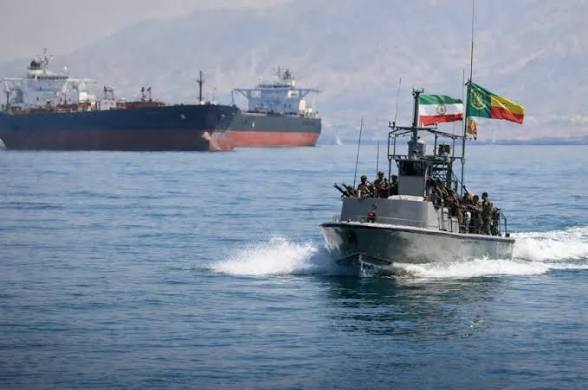
It also possesses naval capabilities, including mines that can disrupt navigation in the Strait of Hormuz, giving it a strategic leverage.
Failed Negotiations Deepen the “Escalation Trap” Between Washington and Tehran
Peeb warns that the negotiation path is nearing collapse due to a wide gap in demands.
The United States insists on terms it sees as unrealistic, pushing the crisis toward a zero-sum equation without compromises.
Potential Escalation Could Extend to the Gulf and Threaten Regional Stability
Forecasts indicate the possibility of resuming military strikes within days.
The escalation could extend to Gulf countries, amid a lack of real indicators for de-escalation.
Closure of the Strait of Hormuz Warns of Sharp Decline in Gulf Economies
The report warns that prolonged disruption of navigation could lead to significant economic contraction.
Losses could reach a decline in GDP in some countries by up to 30%, affecting vital sectors such as tourism.