Middle East Crisis Threatens Stability of Air Travel in Europe
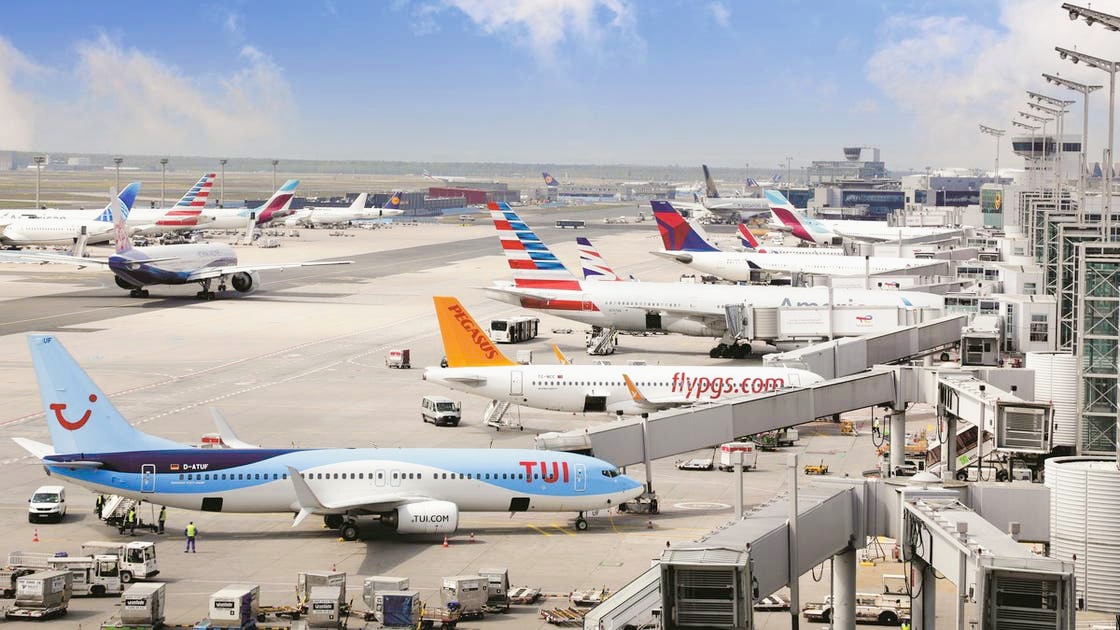
European Warnings of Disruptions in the Aviation Sector Due to Geopolitical Tensions
European Commissioner for Transport, Apostolos Tzitzikostas, warned of the possibility of significant disruptions in air travel due to the war between the United States, Israel, and Iran, as well as the closure of the Strait of Hormuz in the Arabian Gulf.
He confirmed that this development could directly affect energy supply chains and air travel in Europe.
European Commissioner: "The Situation is Not Good" in the Aviation Sector
Tzitzikostas explained in media statements to Greek Sky News that the current situation is "not good," noting that geopolitical tensions could increasingly impact the aviation sector if the crisis continues without diplomatic solutions.
Availability of Aviation Fuel in Europe and Current Relative Stability
Despite the warnings, the European Commissioner confirmed that aviation fuel is still available at present within EU countries, and more than 80% of airports have not reported any supply shortages.
He also pointed out that emergency reserves are being monitored daily by member states within the framework of the EU energy system.
Rising Fuel Prices and Cancellations of Some Flights
The European official noted that fuel prices have more than doubled due to current tensions, which has led many airlines to cancel some flights, especially those that were operating on low profit margins before the crisis, increasing pressure on the aviation sector in Europe.
Concerns About the Worsening Crisis After June Due to the Strait of Hormuz
The Commissioner warned that if the closure of the Strait of Hormuz continues, through which about 20% of global energy supplies pass, and no solution to the conflict is reached, the fuel shortage crisis could worsen after June, which may impact the stability of flights and ticket prices.
European Emergency Reserves and Daily Monitoring of Supplies
Tzitzikostas confirmed that EU countries rely on a strict system to track fuel reserves daily, with emergency stocks that can be used in a targeted manner in case of an actual shortage of aviation fuel.