Starmer Confirms Europe's Support for Ukraine Despite Trump's Harsh Criticism
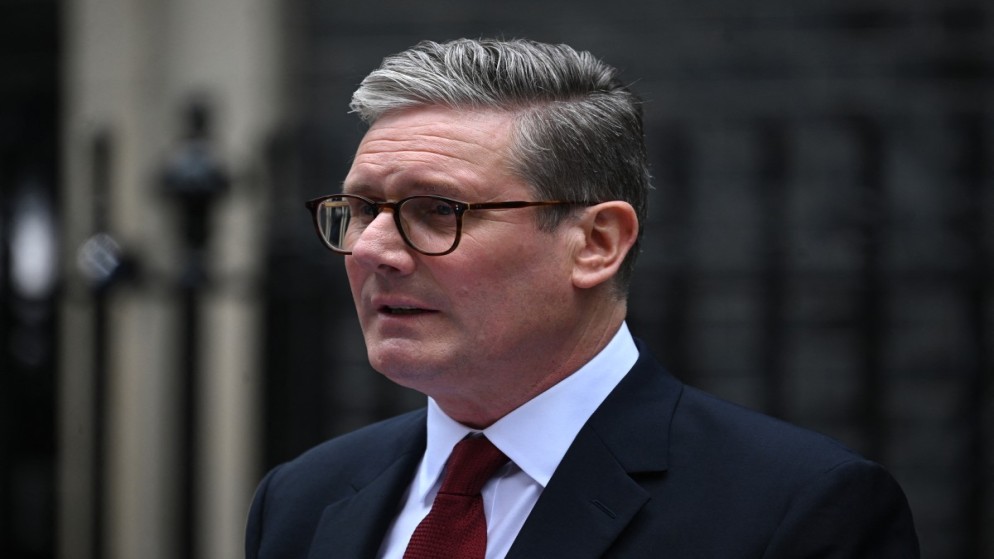
British Prime Minister Keir Starmer confirmed on Wednesday that his country and European nations stand united with Ukraine in the face of what he described as the "aggression" of Russian President Vladimir Putin. His remarks came in response to criticisms made by U.S. President Donald Trump towards European leaders.
In response to a question from reporters regarding Trump's recent statements, Starmer emphasized, saying: "Europe is strong and will remain behind Ukraine."
These British statements come following a sharp attack by Trump on Tuesday against EU leaders, whom he described as weak in an interview with Politico. Trump stated that traditional U.S. allies "failed to control immigration and end the war between Russia and Ukraine."
Trump added in his comments: "I think they are weak, but I also see that they want to be very politically correct," explaining: "I think they don’t know what they are doing... Europe doesn’t know what to do." He also indicated that he would support European political candidates who align with his vision, considering that several "European countries will not be sustainable if they continue their immigration policies."
Regarding the Ukrainian conflict, Trump viewed that "Russia is clearly in a stronger position than Ukraine," calling for "the time has come for presidential elections in Ukraine." He also considered that EU countries "are not doing enough to end the Russo-Ukrainian war."
These statements come at a critical time for negotiations aimed at ending the war, amid growing European concerns that a potential Trump policy could abandon support for Kyiv. European leaders have expressed reservations about some provisions of Trump's proposed plan to stop the fighting, deeming them unrealistic or unacceptable.
Trump's perceptions of national security have also sparked reactions in European capitals, where countries like Germany have called for enhancing the continent's self-reliance in security matters away from traditional U.S. support.