Russia Reveals Its Position on the Iran War and Offers a Solution for Enriched Uranium
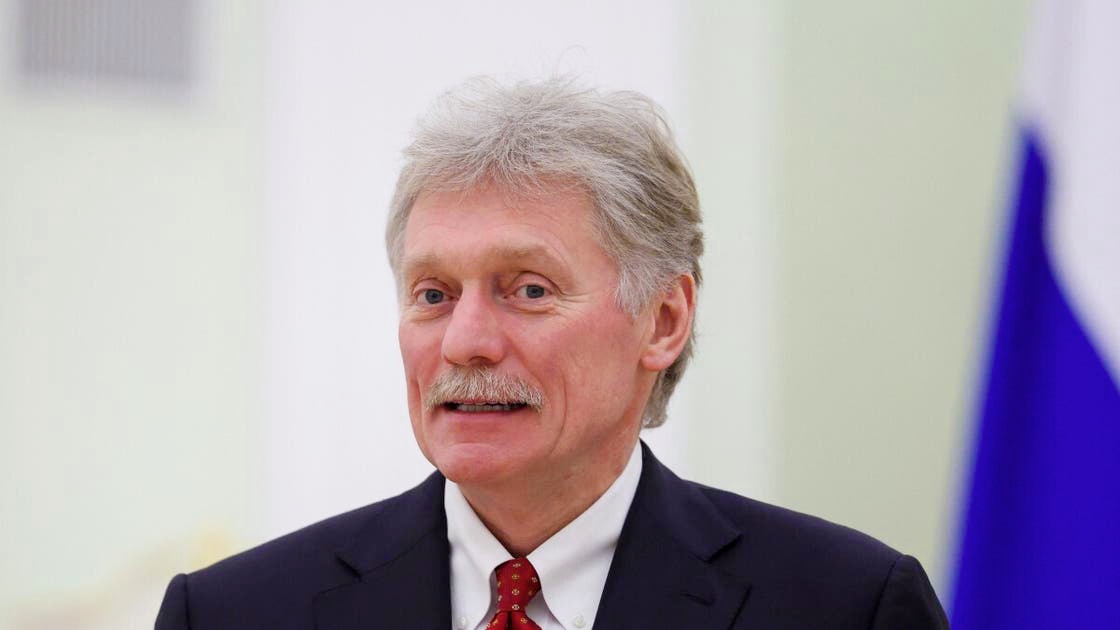
The Kremlin: Russia is Not Involved in the War Inside Iran
Kremlin spokesman Dmitry Peskov stated in a press interview that Russia is not participating in any form in military operations inside Iran, emphasizing: "Russia is not involved in military operations and is not a party to them... This is not our war."
His remarks came in response to questions about the possibility of Russian military support for Tehran, where he stressed the denial of any direct Russian involvement in the conflict.
Russia Proposes Hosting Iranian Uranium, and the United States Rejects
Peskov clarified that Russia had previously proposed an initiative to receive enriched Iranian uranium on its territory, describing the idea as an "excellent solution."
He added that Russian President Vladimir Putin had previously presented this proposal some time ago, and that Moscow is still ready to activate it.
However, the spokesman noted that the United States rejected this option, stating:
"Unfortunately, the American side rejected this proposal, and it is no longer on the negotiation table."
Uncertainty Surrounding the Fate of 440 kg of Highly Enriched Uranium in Iran
The uncertainty regarding the fate of about 440 kg of highly enriched uranium located inside Iran is increasing, amid a lack of clarity regarding its location or how to handle it.
This file is one of the most sensitive points in the ongoing debate over the Iranian nuclear program and international oversight of it.
Iran Affirms Its Right to Enrich Uranium and Shows Relative Flexibility
For its part, the Iranian Foreign Ministry emphasized that Tehran's right to enrich uranium is "non-negotiable," while also confirming that the level of enrichment could be "negotiable."
Iranian Foreign Ministry spokesman Ismail Baqaei stated that the right to civilian nuclear energy cannot be "taken away under pressure or through war," according to reports from AFP.
Nuclear Negotiations Between Iran and the United States with Disagreements Over Enrichment Duration
In the context of ongoing negotiations, reports indicated that the United States proposed during the first round of talks in Islamabad a proposal to halt uranium enrichment for up to 20 years as part of a comprehensive nuclear agreement.
In contrast, the Iranian side offered a proposal to halt enrichment for only 5 years, reflecting the continued significant disparity between the two sides regarding the terms of the agreement.
New Round of Negotiations Expected Without a Specific Date
A second round of talks between Washington and Tehran is expected to be held in the coming days, although no official date has been set yet, amid ongoing disagreements over the future of the Iranian nuclear program and the mechanisms for implementing any potential agreement.