Rubio: We will not allow Iran to control the Strait of Hormuz and the response will be decisive
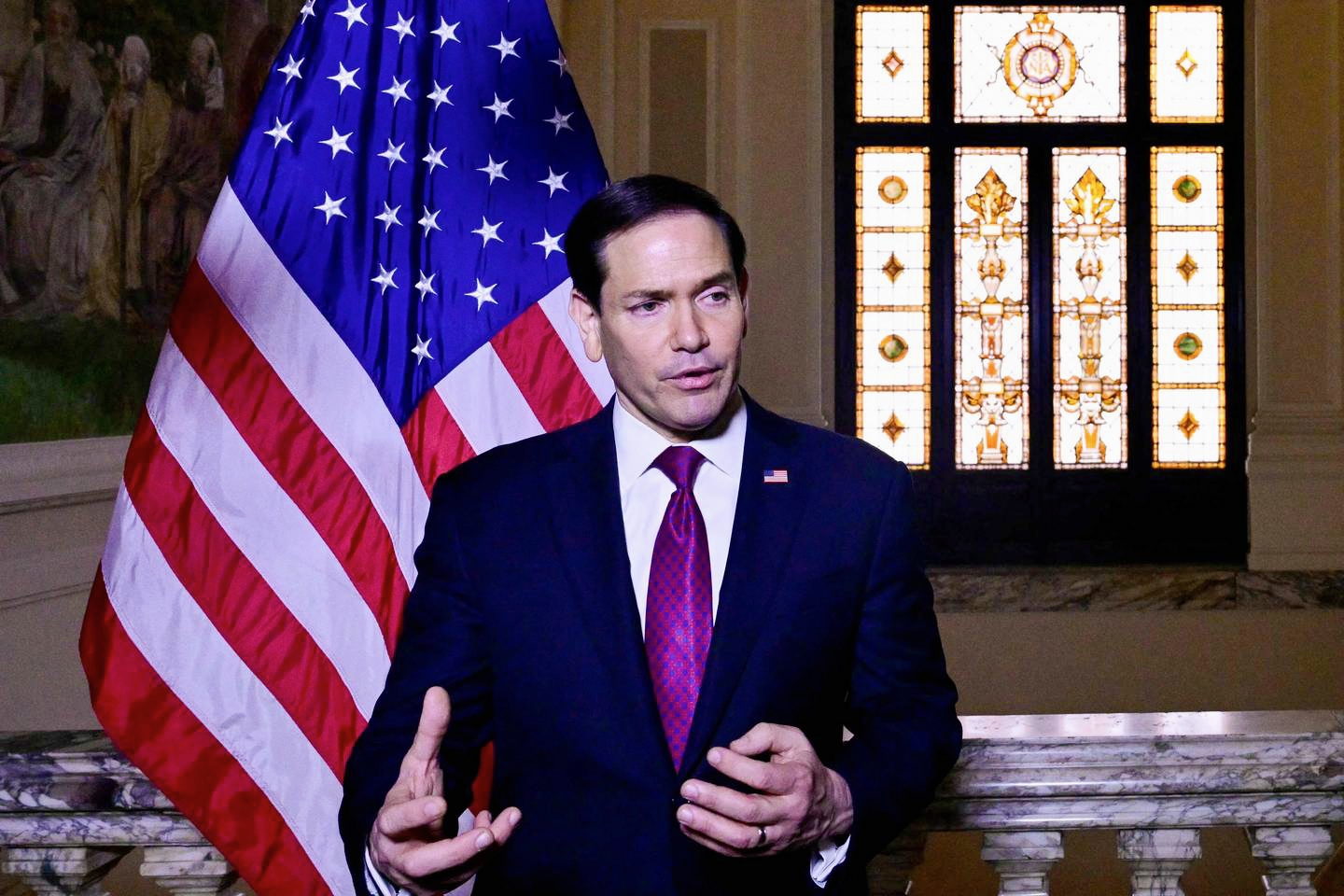
Rubio: Washington will not allow Iran to control the Strait of Hormuz and threatens decisive military response
U.S. Secretary of State Marco Rubio confirmed today, Friday, that the United States will not accept any Iranian attempt to control the Strait of Hormuz or manage navigation in it, in a new escalation of the U.S. position towards Tehran amid ongoing regional tensions and stalled negotiations regarding the Iranian nuclear program.
Rubio rejects Iran's establishment of a monitoring body for the Strait of Hormuz
Rubio stated during a press conference held at the end of his visit to the Vatican that Iran is seeking to establish a body to monitor the Strait of Hormuz, considering this step “unacceptable,” referring to recent Iranian proposals related to managing navigation in this vital maritime corridor.
He clarified that Washington rejects any arrangements that allow Tehran to control the movement of ships or impose new mechanisms for the passage of tankers in the strait, which is one of the most important strategic corridors for the transport of oil and gas in the world.
The United States threatens direct military response to any Iranian attack
In this context, the U.S. Secretary of State vowed a direct military response to any attack targeting U.S. forces in the region, confirming that U.S. forces were shot at by Iran in international waters on Thursday and responded immediately.
Rubio added that the United States is sinking Iranian fast boats that threaten international navigation and U.S. forces in the Gulf, emphasizing that “any Iranian who attacks U.S. forces will not be left alive.”
He confirmed that Washington “will deal with any entity that threatens America,” in a message reflecting the escalation of military tension between the United States and Iran in recent times.
Rubio: U.S. strikes against Iran are separate from other military operations
Rubio pointed out that the strikes carried out by the United States against Iranian targets on Thursday are separate from the “Epic Wrath Operation,” referring to ongoing U.S. military operations in the region.
He also clarified that the U.S. administration is awaiting a “serious Iranian response,” adding: “We hope that the Iranian response will be serious,” without disclosing additional details regarding the nature of the expected response or the timing of any new negotiations.
Washington confirms rejection of Iran possessing nuclear weapons
The U.S. Secretary of State stressed that the international community agrees that Iran obtaining a nuclear weapon is “unacceptable,” considering that President Donald Trump “is the first president to try to do something about it.”
These statements come at a time when the United States continues its economic and military pressures on Iran, including the maritime blockade imposed on Iranian ports and the escalation related to freedom of navigation in the Strait of Hormuz.
The Strait of Hormuz is one of the most important strategic corridors for energy globally, as a large percentage of oil and gas exports pass through it, making any tension there a direct concern for international markets.
The United States confirms its refusal to negotiate with Hezbollah
Regarding the Lebanese file, Rubio confirmed that the United States will not negotiate with Hezbollah, explaining that U.S. communication is limited to the Lebanese government only.
He stated that Hezbollah “is the reason Lebanon is facing strikes,” considering that the party “is a complete Iranian proxy and has no existence without Iran.”
He also pointed out that Washington is working to stop funding Hezbollah amid ongoing pressures on the Iran-backed group.
Washington has not set a date for resuming talks between Israel and Lebanon
The U.S. Secretary of State clarified that his country has not yet set a date for resuming talks between Israel and Lebanon, amid ongoing security tensions on the southern Lebanese border.
He noted that next week may witness a new round of talks between the U.S. and Israeli sides at the ambassadorial level in Washington, amid U.S. pressures to push efforts towards reaching a peace agreement between the two countries.
Iran proposed managing navigation in the Strait of Hormuz and imposing transit fees
Iran had previously announced the establishment of an authority to manage navigation in the Strait of Hormuz, responsible for granting ship transit permits and collecting transit fees, according to a specialized maritime transport bulletin.
Iranian officials have confirmed in recent weeks their efforts to change navigation mechanisms in the strait by imposing direct Iranian control over the movement of ships and sharing the proceeds of transit fees with Oman, located on the opposite shore of the strait.
However, Oman, along with Western and Arab countries, rejected these proposals amid concerns about their implications for the security of international navigation and global energy markets.