Public and Parliamentary Anger Due to New Taxes Imposed in Libya
The decision to impose new taxes on imported goods in Libya has sparked widespread anger and caused a sharp division within the parliament, at a time when the dinar is suffering a record collapse against foreign currencies, with the price of the US dollar reaching 10.42 dinars for the first time in the country's history.
The Central Bank of Libya has begun implementing the new taxes on various imported goods, in a move that the parliament claims aims to address financial imbalances resulting from the rise in foreign currency exchange rates.
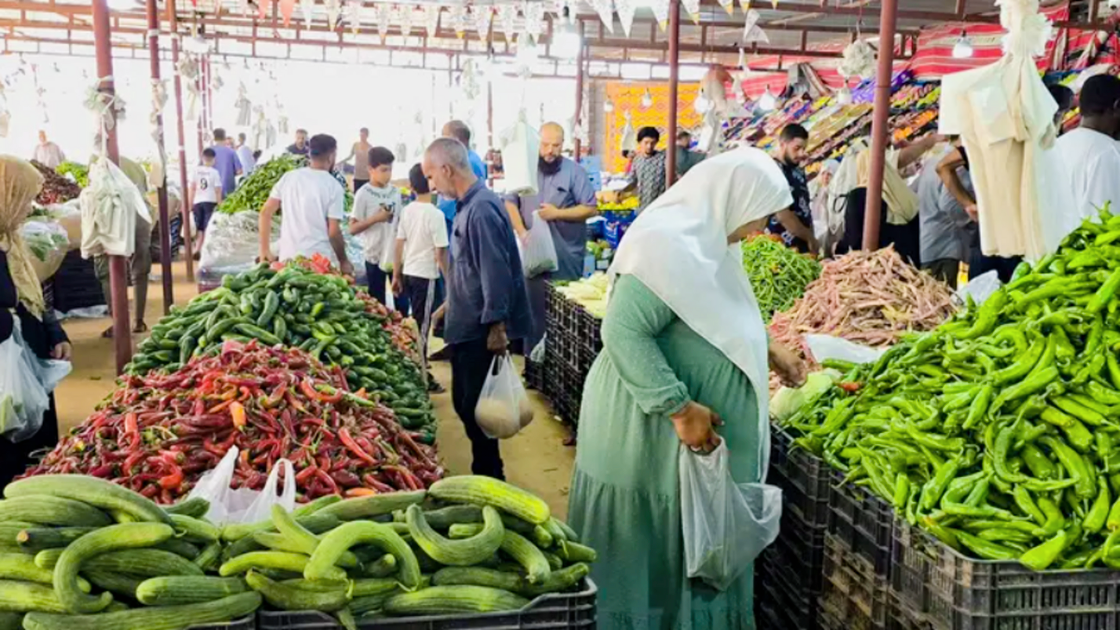
The taxes have extended to include food items, consumer products, cleaning materials, auto parts, as well as construction materials, clothing, household and electronic appliances, in addition to tobacco, cigarettes, and luxury cars, at rates ranging from 7% to 40%.
* Strong Government Rejection
However, the Government of National Unity, led by Abdul Hamid Dbeibeh, announced its firm rejection of the "unilateral" decision issued by the parliament, asserting that the real crisis regarding the rise in the dollar price is due to parallel spending outside the approved budget.
The government warned that imposing these taxes will increase economic uncertainty, lead to inflation in the money supply without sufficient production coverage or foreign reserves, and will increase the living burdens on citizens without addressing the root of the problem.
* Parliament Denies Legality of Taxes
In contrast, 107 members of the Libyan parliament announced in a statement yesterday evening that any financial measures or taxes attributed to the central bank are "illegal," emphasizing that the parliament has not issued any correct or valid decision to impose any financial burdens.
The members confirmed that any correspondence or communications circulated by the media do not reflect the will of the parliament and do not bind anyone unless issued according to legal procedures in a complete official session.
* Widespread Public Anger
This decision coincided with a record collapse of the dinar, which intensified public anger, and the hashtag "No to Tax Imposition" topped social media platforms, where Libyans expressed their rejection of any new price increases, affirming their refusal to burden citizens with the costs of political division and financial corruption.
The events confirm that Libya is going through a critical economic and political phase, amid a clear struggle between the government and the parliament over control of financial policies, at a time when citizens are facing escalating living crises due to exchange rate fluctuations and rising prices.

