Fasting for Kidney Patients During Ramadan: Important Medical Tips and Warnings
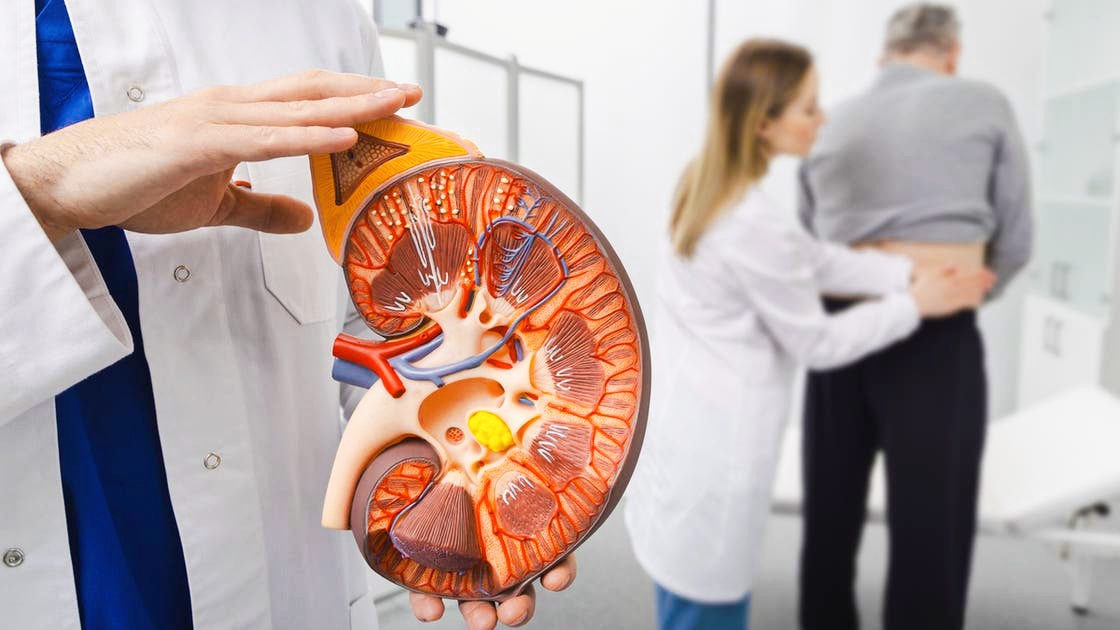
During the month of Ramadan, kidney patients face an important health challenge: Can they fast safely?
Doctors confirm that the answer varies depending on the stage of the disease, the stability of the condition, and the type of treatment each patient is undergoing.
The kidneys play a crucial role in purifying the blood from toxins and regulating the balance of fluids and salts in the body,
and any weakness in their functions makes fasting, especially during hot days and prolonged periods of abstaining from water, fraught with risks and may lead to deterioration in health.
* Who can fast?
• Patients with mild kidney impairment or in the early stages of the disease, whose kidneys have stable functions and do not have serious complications, may be able to fast after consulting a doctor and undergoing necessary tests.
* Who is advised not to fast?
• Patients with advanced kidney failure or those undergoing dialysis (hemodialysis or peritoneal dialysis), due to their continuous need for fluids and medications, and the risk of dehydration and electrolyte disturbances.
• Kidney transplant patients, especially in the first years after the procedure, as the decision to fast depends on the stability of kidney function and the regularity of immunosuppressive medications.
* Potential Risks of Fasting for Kidney Patients
_ Dehydration due to low fluid intake
_ Increased creatinine and deterioration of kidney functions
_ Disturbance of potassium and sodium levels
_ Low blood pressure
_ Formation of kidney stones in those predisposed to it
These risks increase on hot days or during significant physical exertion.
* Tips for Safer Fasting
• Distribute fluid intake between iftar and suhoor if there are no medical restrictions
• Avoid salty foods, pickles, and fast food
• Reduce animal protein if advised by the doctor
• Adhere to medication schedules and do not adjust doses without consulting a doctor
• Monitor weight, blood pressure, and any unusual symptoms
* When to Break the Fast Immediately?
You should stop fasting and consult a doctor if any of these signs appear:
_ Severe dizziness or fainting
_ Significantly reduced urination
_ Sudden swelling in the feet or face
_ Abnormal heart palpitations or severe weakness
* In Conclusion
During this holy month, fasting for kidney patients remains an individual experience that requires awareness and wisdom.
By adhering to the doctor's recommendations and closely monitoring health, one can enjoy the spirituality of Ramadan and its accompanying blessings, while protecting the kidneys from any complications.
And always remember: Your safety comes first, and your fasting is a symbol of health and wellness, not a risk to it.
