Pakistan Becomes a Surprising Player in the Iran-U.S. Crisis
April 21, 2026702 ViewsRead Time: 2 Minutes
Font Size
16
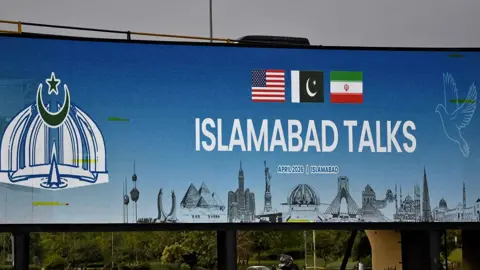
Pakistan has recently emerged as an unexpected mediator in the tension between Iran and the United States, in a notable move that has reshaped its regional role.
This development comes alongside American attempts to manage Middle Eastern crises through a rapid, deal-based approach.
A Strategic Location Gives Islamabad a Rare Opportunity in the Middle East
Pakistan has leveraged its geographical position and complex relationships with conflicting parties, granting it room to maneuver between Washington and Tehran.
Moreover, the nature of its international relations has enabled it to communicate with all parties without clear alignment.
“Trump's Language” Reshapes Pakistani Diplomacy
Islamabad has adopted a new political discourse that aligns with the style of former U.S. President Donald Trump, which is based on quick results and direct deals.
This shift has led Pakistan to present economic and security files instead of traditional foreign policy speeches.
Economic and Security Offers Enhance Pakistan's Presence in Washington
Pakistan has proposed initiatives including security cooperation, critical minerals, and counter-terrorism, which have caught the attention of decision-makers in Washington.
Observers believe this approach has strengthened its position as a “pragmatic” player in regional balances.
Prominent Military Role in Expanding Diplomatic Influence
Pakistani Army Chief Asim Munir has emerged as a key figure in building communication channels with the United States.
This role has contributed to enhancing Islamabad's position within sensitive files, most notably the Iranian crisis.
Mediation Sparks Debate Between Political Influence and Symbolic Gains
Despite the diplomatic momentum, analysts question the ability of this mediation to effect real change within Pakistan.
Some consider it an attempt to enhance the international image more than a long-term strategic shift.
Will Pakistan Become a Steady Player in Middle Eastern Crises?
As its role expands in the Iranian file, a larger question arises about whether Pakistan is entering a new phase of diplomatic influence.
Or will this role remain tied to changing American political circumstances?