Oil Tankers Halt in the Strait of Hormuz Amid Rising Regional Tensions
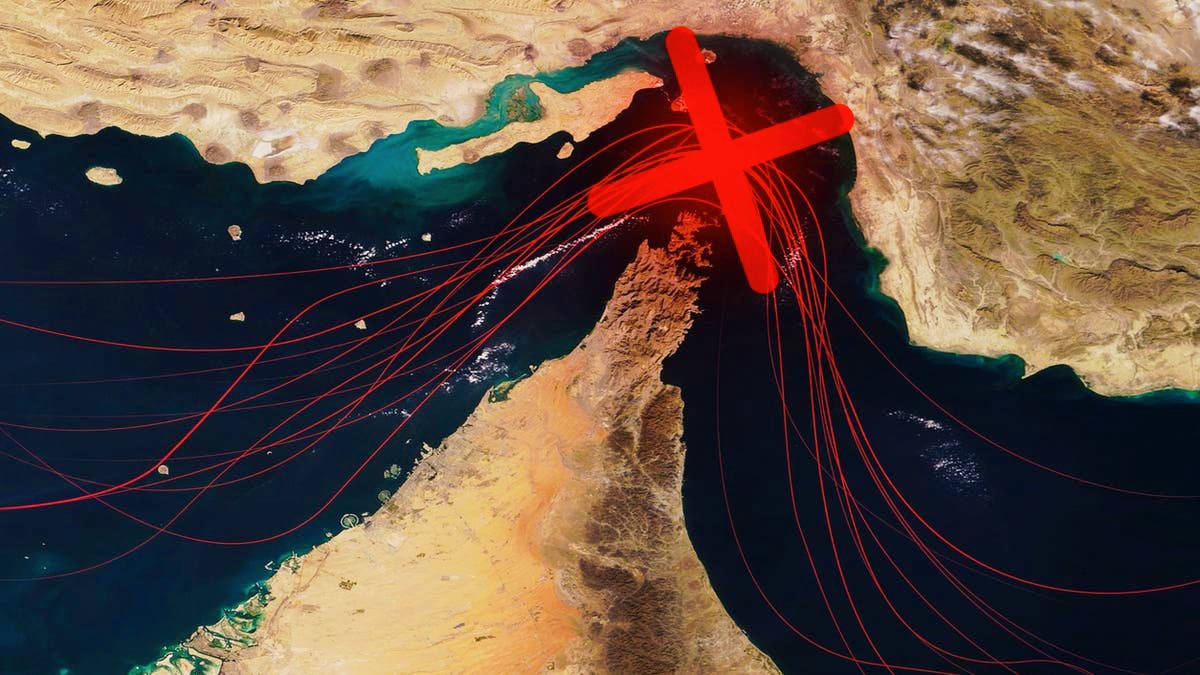
Closure of the Strait of Hormuz and Iranian Warnings to Ships in the Gulf
Sources in the shipping sector reported that several vessels in the Gulf area received messages believed to be from the Iranian navy, confirming that the Strait of Hormuz remains closed to navigation.
The sources clarified that these messages included direct warnings to ship owners to obtain prior permission from Iran to cross the waters, with a note that non-compliance could expose the vessels to targeting and destruction.
Oil Tankers Stopped After Israel Violated Ceasefire
The Iranian news agency "Fars" reported that Tehran halted oil tankers crossing the Strait of Hormuz, following what it described as "a violation of the ceasefire" by Israel.
This escalation comes at a sensitive time when the region is experiencing increasing tensions despite the announcement of a truce.
Rising Concerns Over Global Supply Chains and Energy
These developments coincide with uncertainty regarding navigation in the Strait of Hormuz, raising widespread concerns about the impact on global supply chains and energy flows, especially since the strait is a vital passage for about 20% of the world's oil.
The United States Confirms Opening of the Strait and Resumption of Navigation
In contrast, U.S. Secretary of Defense Pete Hegseth confirmed that the Strait of Hormuz is open and that ship traffic will begin soon.
He clarified that Iran will allow ships to pass and that trade will flow normally, noting that U.S. threats regarding Iran's ability to export energy contributed to pushing Tehran towards reaching an agreement.
First Ship Crosses with Iranian Permission After Ceasefire
The Iranian state television announced the passage of the first ship through the Strait of Hormuz after the ceasefire, with permission from Iranian authorities, indicating a relative change in the field situation despite ongoing tensions.
Donald Trump's Shift in Position and Threat of Military Escalation
This shift came after a change in the position of U.S. President Donald Trump, shortly before the deadline he set for Iran to open the strait.
Trump had threatened to launch widespread attacks on Iranian civilian infrastructure if the strait was not opened, stating via social media: "This will be a ceasefire from both sides!" after previously declaring that "a whole civilization will perish tonight" if his demands were not met.
Iran Links Cessation of Attacks to De-escalation and Sets Duration for Safe Passage
For his part, Iranian Foreign Minister Abbas Araghchi announced that his country would stop its attacks if the attacks on it ceased, confirming that safe passage through the Strait of Hormuz would be possible for two weeks, in coordination with the Iranian armed forces.
Continued Tension in the Strait of Hormuz Despite the Truce
These developments reflect the ongoing tension in the Strait of Hormuz despite the announcement of a ceasefire, amid conflicting statements between the involved parties, increasing uncertainty about the future of navigation in one of the most important strategic maritime corridors in the world.