Oil Prices Exceed $115 Amid Rising Tensions in the Middle East
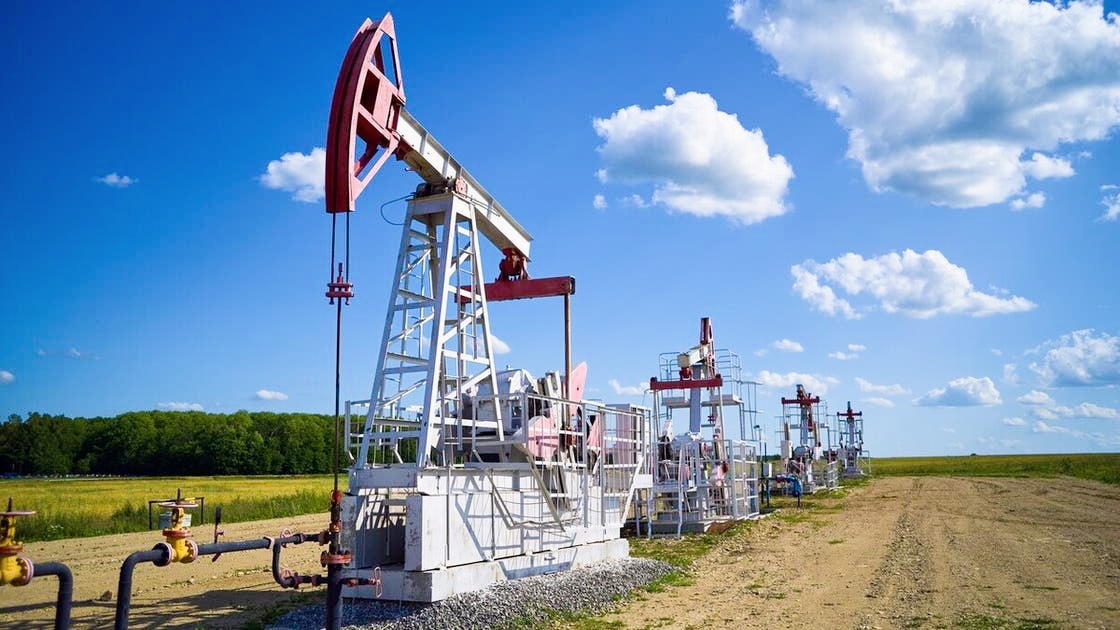
Oil prices surged unprecedentedly today, Monday, exceeding $115 per barrel, in a historic jump driven by the ongoing war between the United States, Israel, and Iran, and the ongoing blockade of the Strait of Hormuz, one of the most important maritime routes for oil transport in the world.
By 02:30 GMT, West Texas Intermediate crude had risen by 30.04% to reach $118.21 per barrel, while North Sea Brent crude increased by 27.54% to $118.22.
This sharp increase has raised concerns among world leaders, given its implications for both markets and consumers.
In a swift response to this historic jump, U.S. President Donald Trump said via his social network "Truth Social":
"Short-term oil prices, which will drop quickly once the Iranian nuclear threat is eliminated, are a small price to pay for the security and safety of the United States and the world."
He added bluntly: "Only fools think otherwise!".
The record rise came after a de facto closure of the Strait of Hormuz, forcing several countries, including Iraq, to cut their oil production.
This vital strait is a major route for medium and heavy sour crude from the Gulf region, through which about 20% of the world's oil and liquefied natural gas passes.
According to the analysis company "Kpler", tanker traffic in the strait has decreased by 90% in one week, with only nine vessels reported to have crossed the strait since last week, some of which intermittently concealed their location.
The record price increase recalls the volatility of oil markets during Russia's invasion of Ukraine in March 2022, when the price per barrel reached $130.50, but this time saw more severe changes over a shorter period.
Global financial markets were also affected, with stock indices sharply declining in Asia:
• The Japanese Nikkei index fell 6.97% to 51,740 points.
• The South Korean KOSPI index decreased by 6.61%.
• The Taipei index dropped by 5.7%.
• The Sydney index fell by 3.67%.
• The Hang Seng index in Hong Kong declined by 2.87%.
These developments come at a time of rising tensions in the Middle East, with repeated threats from the Iranian Revolutionary Guard to vessels in the Strait of Hormuz, where about 10 ships have been attacked since the start of U.S.-Israeli strikes on February 28.


