G7 Discusses Emergency Measures to Calm Global Oil Markets
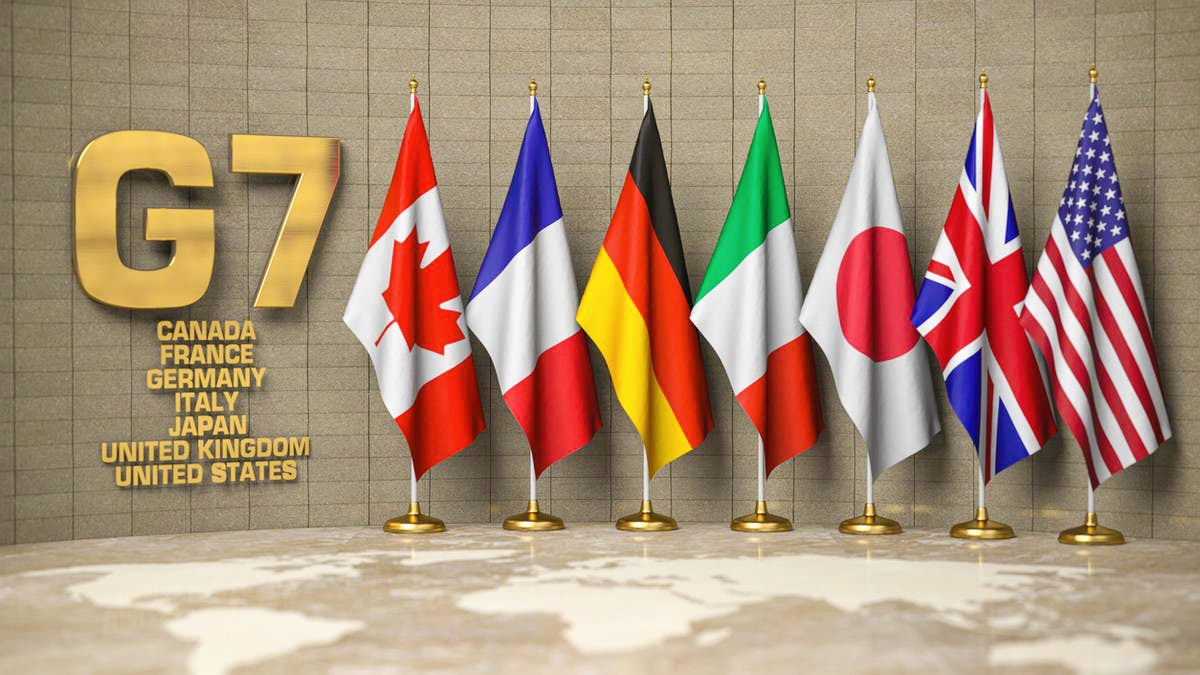
In an emergency move to address tensions in the Middle East, finance ministers from the G7 countries discussed the possibility of a coordinated release of oil from emergency reserves in conjunction with the International Energy Agency.
So far, three countries, including the United States, have expressed support for this move, according to reports from Reuters and the Financial Times.
These discussions come against the backdrop of a record surge in oil prices, with West Texas Intermediate crude rising by 30.04% to $118.21 per barrel, while North Sea Brent crude increased by 27.54% to $118.22 per barrel, due to the U.S.-Israeli war on Iran and the ongoing blockade of the Strait of Hormuz.
This coordinated release typically aims to calm global markets and reduce price volatility by pumping strategic oil supplies in a coordinated manner among member countries, thereby enhancing supplies and alleviating pressure on consumers.
In response to this unprecedented increase, President Donald Trump described the rise as "a very small price to pay for the security and safety of the United States and the world," asserting that prices would drop once the Iranian nuclear threat is eliminated, according to reports from Agence France-Presse via Truth Social.
In this context, Japan is considering measures to mitigate the impact of the Iranian conflict on its economy, while the International Monetary Fund warns that any increase in oil prices will exacerbate global inflation.
This event signals new challenges for global energy markets and puts world leaders to a tough test in crisis management in the Middle East, amid fears of continued price increases and their direct impact on consumers and major industries.
