30% Jump in Gas Prices in Europe Due to Middle East Tensions
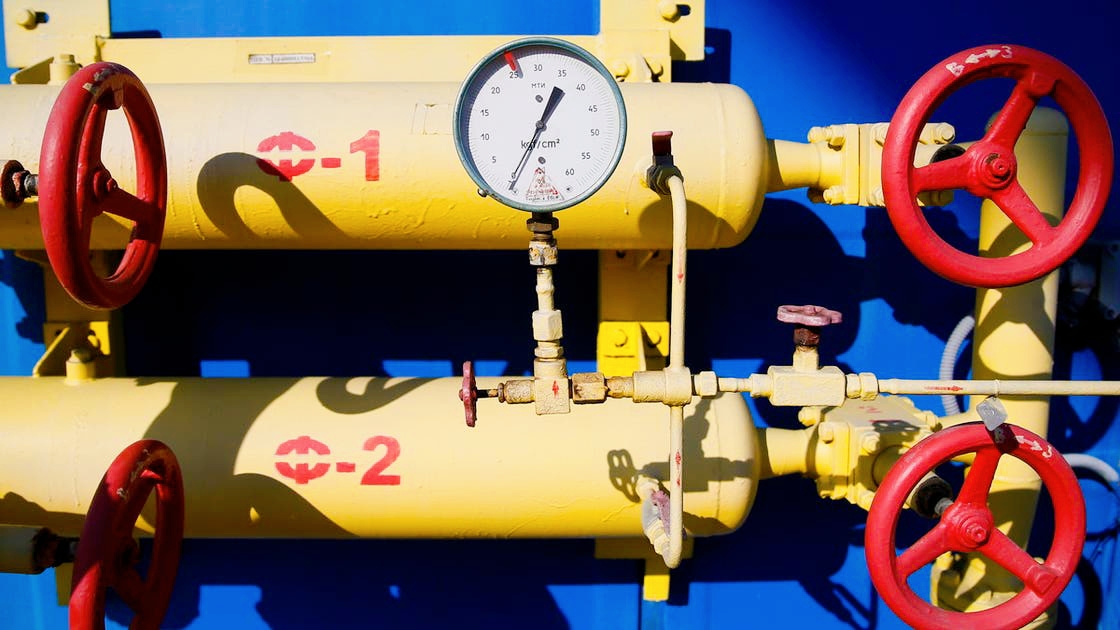
Global energy markets have experienced severe disruption as the war in the Middle East escalates, with natural gas prices in Europe soaring by up to 30% in a single day, marking one of the largest increases since the previous energy crisis.
This surge followed a rise in oil prices to over $100 per barrel, as military tensions and disruptions in shipping through the Strait of Hormuz raised widespread concerns in global markets, prompting traders to scramble to secure supplies.
* Supply Disruptions Confound Markets
As the conflict enters its tenth day with no signs of de-escalation, standard futures contracts for gas in Europe have sharply increased, recording the largest weekly gains in years.
Futures contracts for natural gas in the United States have also risen to their highest levels in a month, indicating the widening impact of the crisis on global markets.
These developments come at a time when Europe is facing a sensitive situation in the gas market, having emerged from winter with relatively low stock levels, meaning it will need to purchase large quantities of liquefied natural gas over the summer to refill its reserves.
* Global Competition for Gas
This situation may put Europe in direct competition with buyers in Asia for the limited supplies of liquefied natural gas, especially if disruptions in the Middle East continue and prevent shipments from reaching global markets.
Florence Schmitt, an energy strategy analyst at Rabobank, stated that markets are beginning to realize the extent of the disruptions affecting the entire energy supply chain, noting that this crisis could last for up to three months.
* Prices Still Below Historical Peaks
Despite the sharp increase, current prices remain significantly lower than the record levels seen in Europe during the previous energy crisis, currently hovering around €64 per megawatt-hour, compared to a historical peak exceeding €300 per megawatt-hour.
* Qatari Gas Production Halt Increases Concerns
Adding to market fears is the halt in liquefied natural gas production in Qatar, one of the largest exporters in the world.
Estimates from Morgan Stanley analysts suggest that this halt could eliminate most of the expected surplus this year.
Reports have also warned that if the disruptions to Qatari liquefied natural gas exports continue for more than a month, it could quickly lead to a global market shortfall.
The Ras Laffan industrial complex in Qatar is the largest liquefied natural gas production facility in the world, and while it has largely remained intact, last week's unprecedented shutdown led to a halt in supplies.
The Qatari Minister of Energy stated that restarting the facility and resuming exports could take weeks or even several months.
* Direct Impact on European Companies
QatarEnergy announced a force majeure for its customers following the production halt, affecting European companies reliant on Qatari gas such as Italy's Edison SpA and Poland's Orlen SA.
* Price Increase Forecasts
In light of these developments, Goldman Sachs analysts have raised their forecasts for European gas prices in the second quarter to €63 per megawatt-hour, up from previous estimates of around €45.
These forecasts assume that Qatari liquefied natural gas shipments will remain halted until at least the end of March, before gradually starting to return in April.
* Latest Prices
As of 8:31 AM in Amsterdam, Dutch gas futures—the benchmark for prices in Europe—rose by 17% to €62.56 per megawatt-hour, a clear indication of ongoing tensions in global energy markets.

