Oil Prices Drop Amid U.S.-Iran Tensions and Supply Concerns
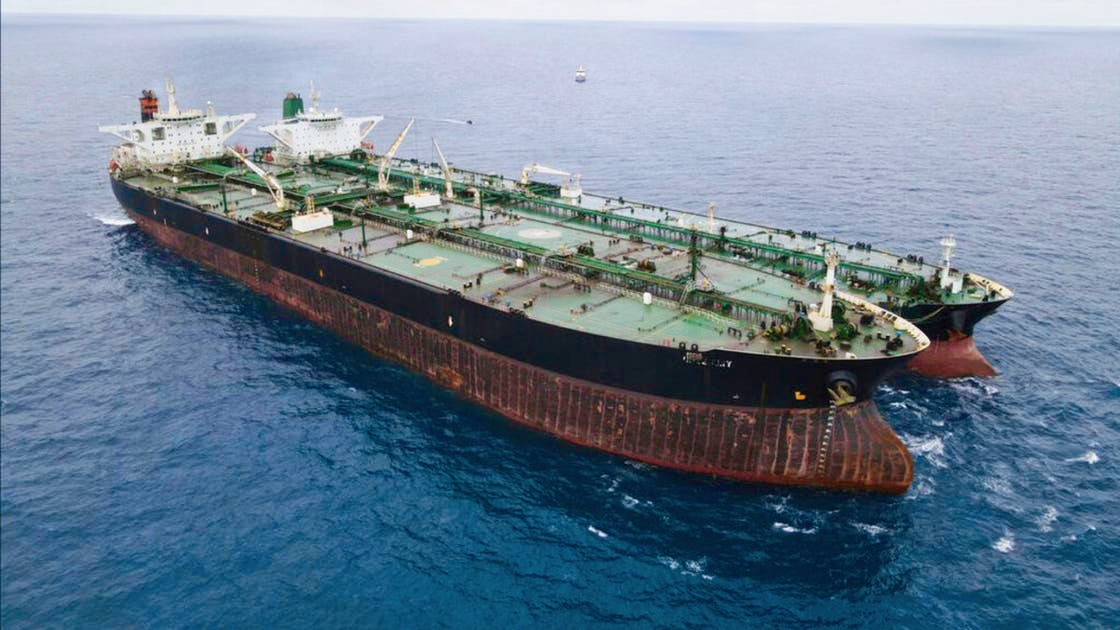
Oil prices recorded a slight decline during trading on Tuesday, as global markets focused on assessing potential risks to supplies amid rising tensions between the United States and Iran, and ongoing concerns about the security of navigation in the vital Strait of Hormuz.
Brent crude futures fell by 25 cents, or 0.4%, to reach $68.79 per barrel by 01:02 GMT, while U.S. West Texas Intermediate crude dropped 23 cents, or 0.4%, to record $64.13 per barrel, according to Reuters data.
This decline follows strong gains of over 1% that prices achieved on Monday, after directives issued by the U.S. Maritime Administration called on commercial vessels flying the U.S. flag to avoid Iranian territorial waters as much as possible, and to reject any Iranian request to board them if it occurs.
These directives are particularly significant given the pivotal role the Strait of Hormuz plays in the global energy market, as about one-fifth of the world's consumed oil passes through it between Oman and Iran, making any security escalation in the region a direct threat to global crude supplies.
Iran, along with several OPEC member countries, relies on the strait to export most of its oil production, especially to Asian markets.
The U.S. warnings came despite statements from the Iranian foreign minister, who confirmed that indirect nuclear talks with the United States, mediated by Oman, had begun “well” and are set to continue in the coming period.
In this context, Tony Sycamore, an analyst at IG, stated in a note to his clients that the cautiously positive tone accompanying the Oman talks was not enough to fully dispel concerns, adding that ongoing uncertainty regarding the prospects of escalation, tightening sanctions, or supply disruptions through the Strait of Hormuz keeps a limited but stable risk premium in oil prices.
On another note, a document reviewed by Reuters revealed that the European Union proposed expanding its sanctions on Russia to include ports in Georgia and Indonesia that handle Russian oil, in a move considered the first of its kind targeting ports located in third countries.
This step comes as part of increasing European efforts to tighten the noose on Russian oil exports, which are one of Moscow's main sources of income, amid pressures related to the ongoing war in Ukraine.


