Oil and Gas Tankers Record Historic Numbers Amid Rising Tensions in the Middle East
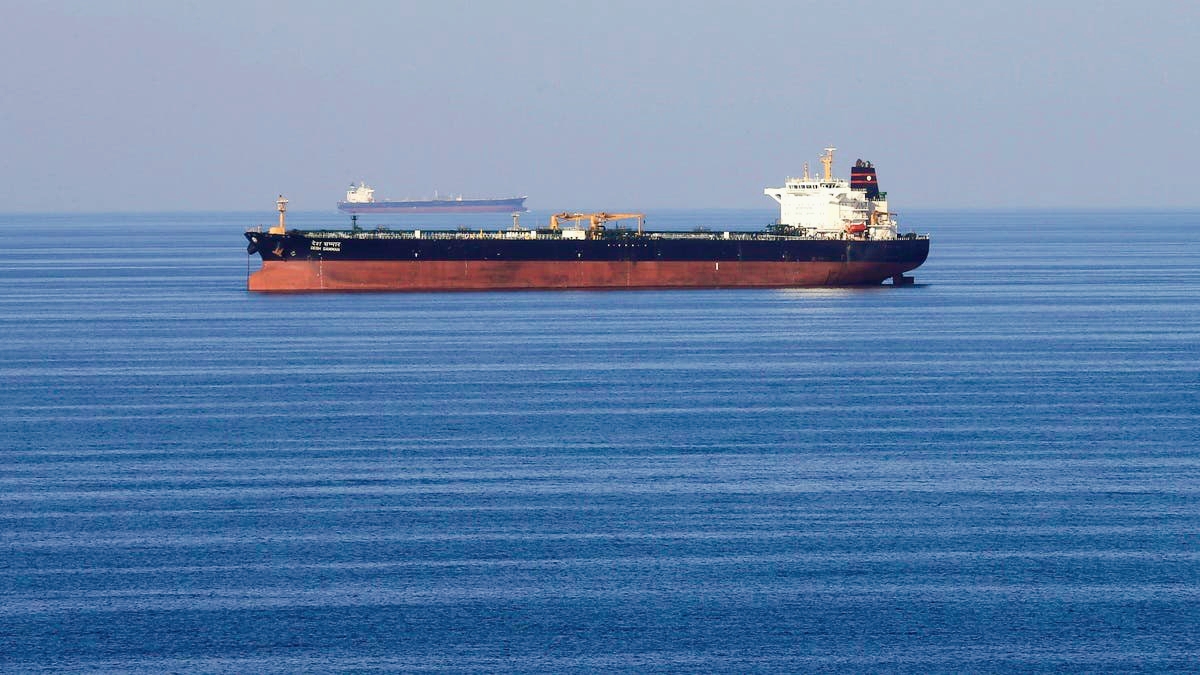
An unprecedented surge in oil and gas shipping costs is shaking global energy markets, as the daily rental prices for supertankers have surpassed $400,000, reaching their highest levels ever, according to data from London exchanges.
In the liquefied natural gas market, shipowners and brokers are demanding over $200,000 per day to charter tankers in the Atlantic basin, nearly double the prices recorded less than 24 hours ago, according to Bloomberg data.
Prices jumped by more than 40% in just one day as the conflict in the Middle East escalated.
The developments came after U.S. and Israeli strikes on Iran, followed by Qatar Energy halting liquefied natural gas production after its facilities were attacked by drones, increasing pressure on global supplies.
In a concerning development for international trade, marine insurance companies have stopped covering voyages through the Strait of Hormuz, the vital corridor between Iran and Oman, through which about one-fifth of the world's consumed oil and large quantities of gas pass.
The repercussions are not limited to energy alone, as Jeremy Nixon, CEO of Ocean Network Express, revealed that around 100 container ships out of 750 are now stuck due to the situation in the strait, equivalent to 10% of the global container fleet.
During a conference hosted by S&P Global Market Intelligence, Nixon warned that “all those goods will start to pile up” in major shipping and port hubs in Europe and Asia, indicating logistical disruptions that could have global ramifications.
Simultaneously, Reuters reported statements from the Iranian Revolutionary Guard commander to state television, stating that any ship attempting to cross the strait “will be burned,” further escalating tensions and deepening risks for global supply chains.
In this rapidly evolving scene, energy and shipping markets face an unprecedented phase of volatility, with rising geopolitical risks and soaring transportation costs reaching record levels, warning of a new inflationary wave that could affect the entire global economy.

