Libya: Popular Protests Demand Comprehensive Change in Authority Amid Severe Economic Crisis
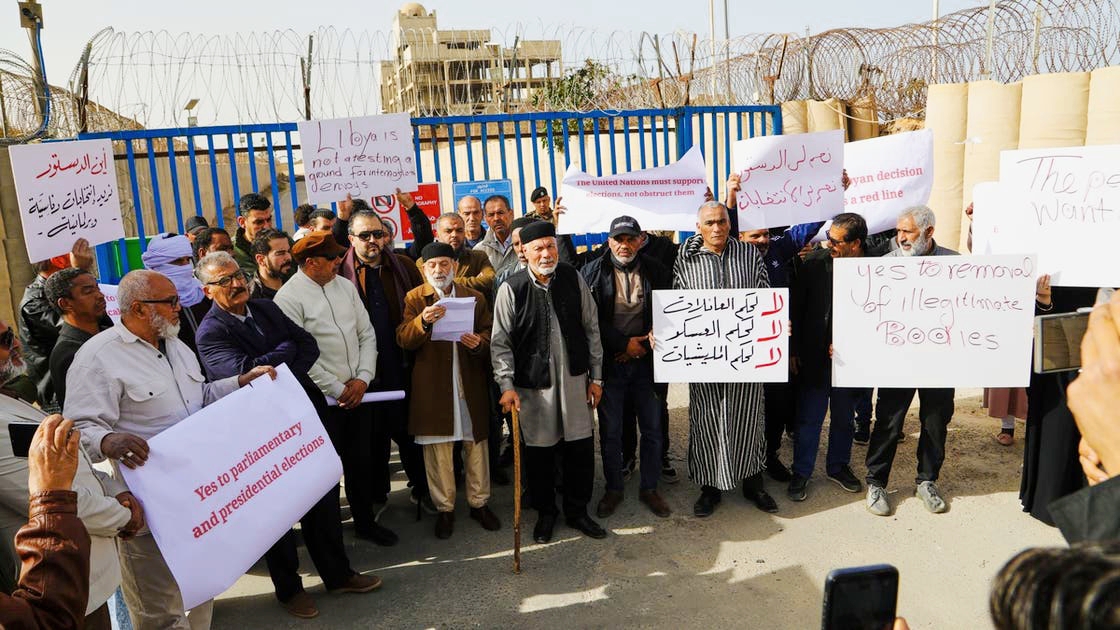
The pace of popular protests has accelerated in western Libya, encompassing the capital Tripoli, the city of Zliten, and Zawiya, reflecting the intense anger of citizens due to the deterioration of economic and living conditions.
The protesters raised strong slogans against all pillars of authority, demanding the overthrow of all political bodies and a comprehensive change in the management of the country.
* Taxes and Cost of Living: The Spark of Anger
The protests began after the government announced new taxes on imported goods, a step that exacerbated the living crisis.
Protesters gathered in Algeria Square in the capital Tripoli and marched in large demonstrations, raising slogans against the Government of National Unity and denouncing the deterioration of services and the intensification of economic pressures, especially with the sharp collapse in the value of the Libyan dinar.
* Calls for the Departure of All Political Bodies
The movements extended to include Zliten and Zawiya, where demonstrators demanded the overthrow of all political bodies in the east and west, holding them responsible for the failure to manage the country, and raising slogans demanding accountability and confronting corruption.
In a video clip from one participant, he confirmed that "the current situation is the result of years of mismanagement of public funds and neglect of people's suffering," emphasizing that citizens' exit to the streets "is a message of anger against poverty, high prices, and the collapse of the dinar's value, and against all political bodies," warning against holding citizens accountable for the corruption of officials.
* Unprecedented Economic Crisis
These protests come amid an unprecedented economic and living crisis, exacerbated by the significant collapse of the Libyan dinar's exchange rate against the dollar, leading to a crazy rise in food and consumer prices, severe shortages in markets, and a continued cash liquidity crisis.
The Central Bank of Libya had begun implementing new duties on imported goods, in an attempt to address the financial imbalances resulting from the rise in the dollar's price, which intensified popular protests amid the ongoing political and institutional division in the country and the absence of clear solutions.

